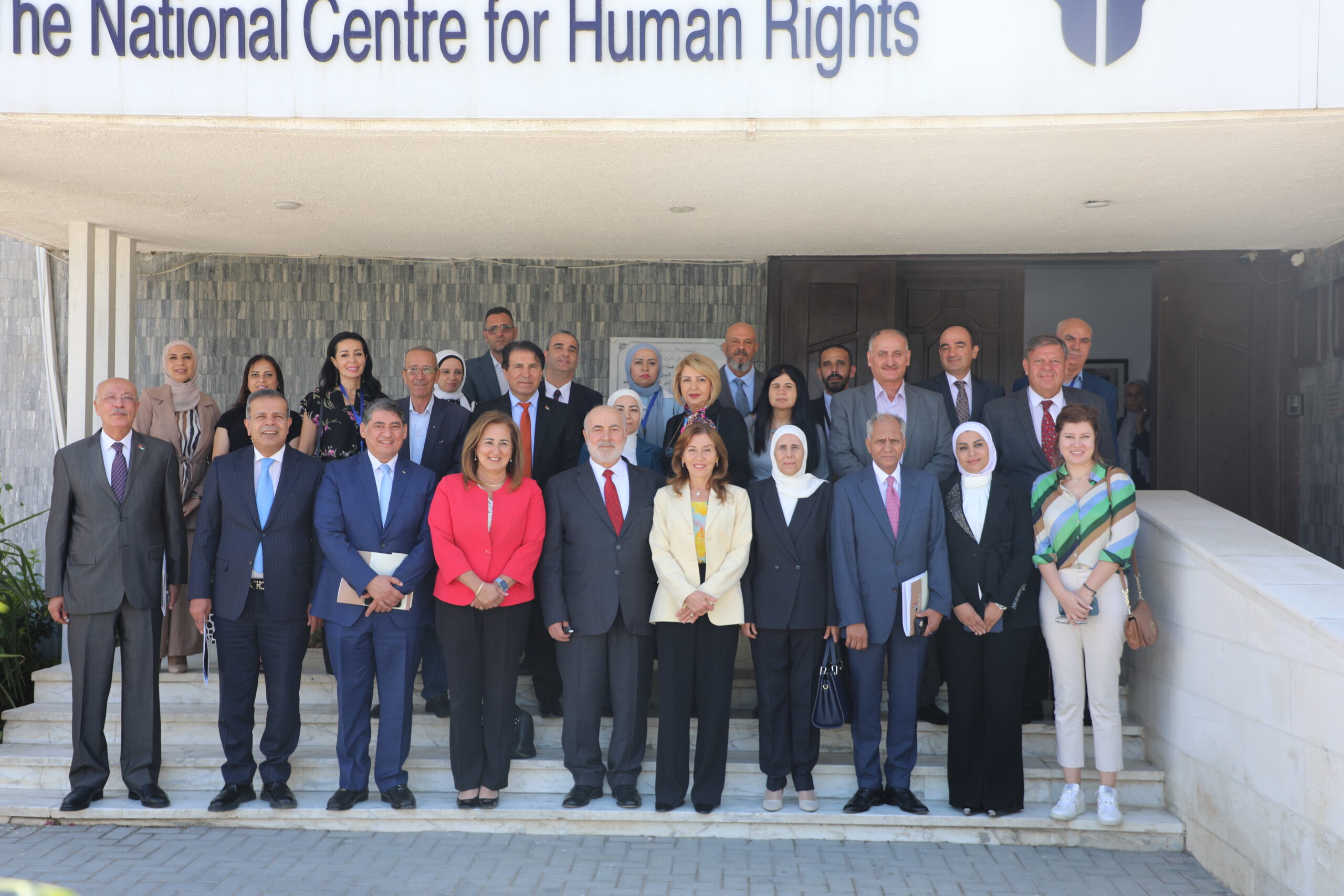
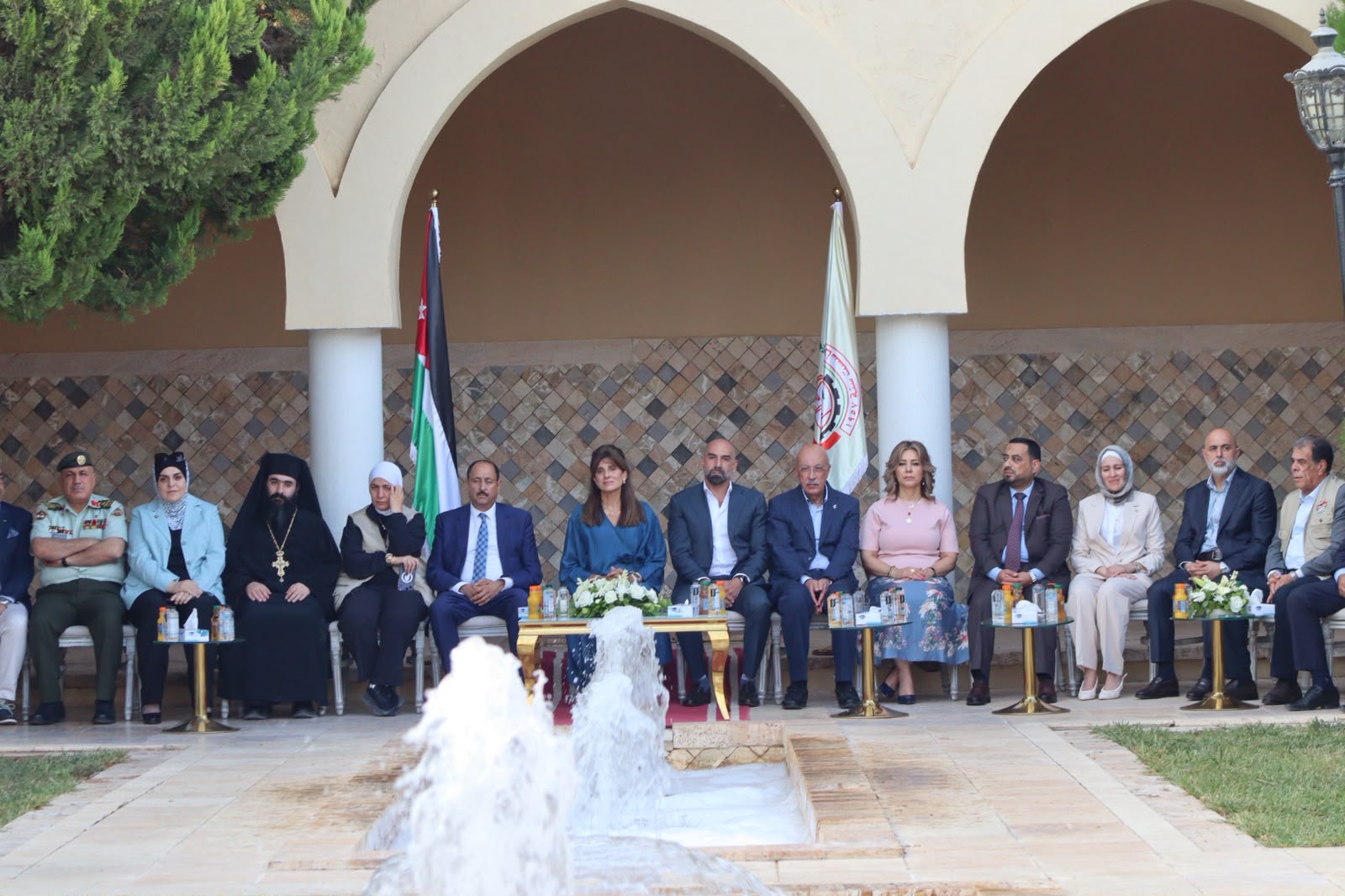
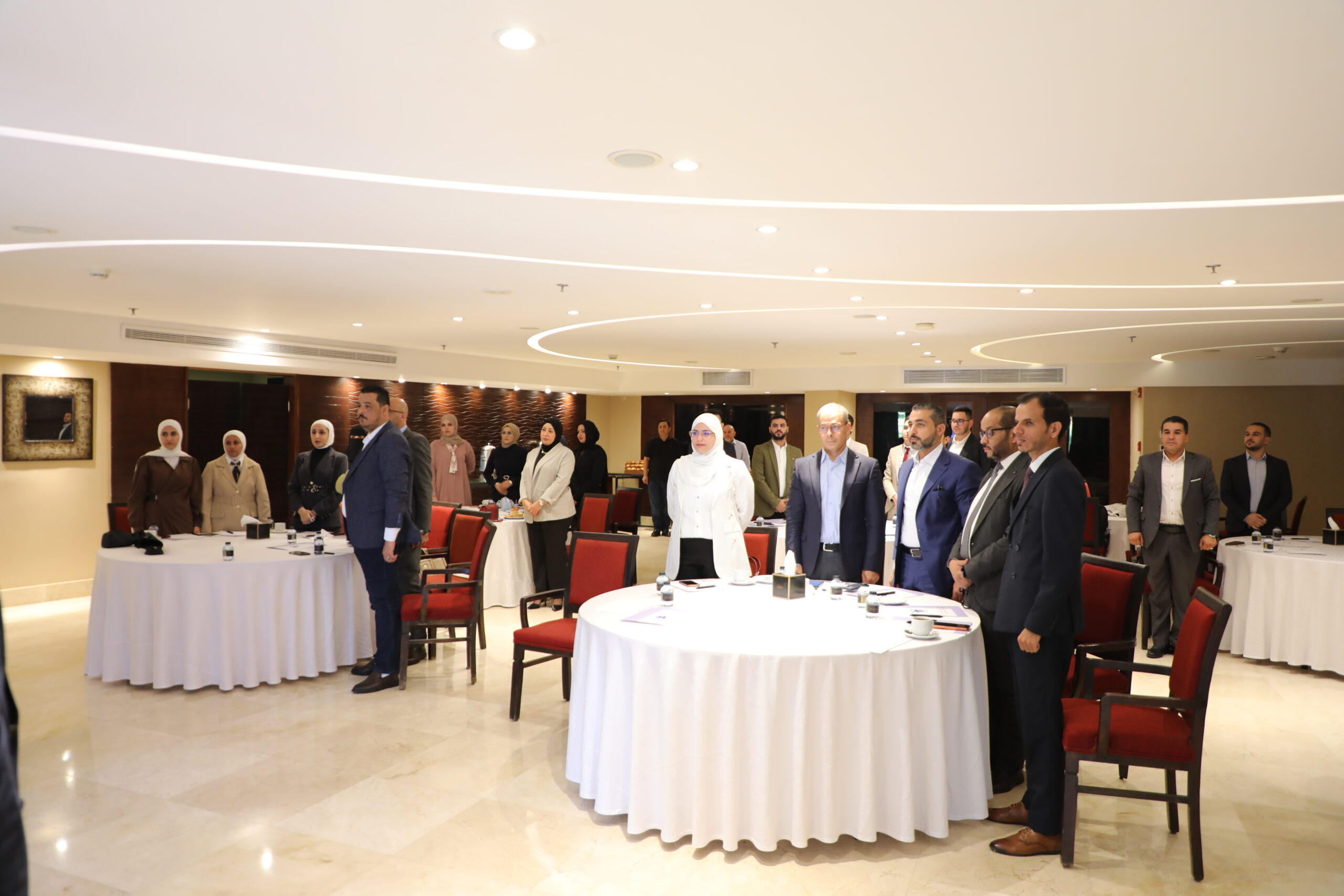
The National Centre for Human Rights (NCHR) organized a national seminar today, Wednesday, entitled “Mental Health and Crime: Social, Legal, and Human Rights Dimensions,” under the patronage of His Excellency the Minister of Health, Dr. Ibrahim Al-Badour, represented by Dr. Riyadh Al-Shiyab, Secretary General for Primary Health Care and Epidemics. The event was attended by Mr. Khaldoun Al-Nsour, Vice Chairperson of the Board of Trustees of the NCHR, H.E. Commissioner General Mr. Jamal Hamed Al-Shamayleh, as well as a distinguished group of experts and representatives from governmental, judicial, security, academic, and civil society institutions.
In his opening remarks, Mr. Khaldoun Al-Nsour, Vice Chairperson of the Board of Trustees of the National Centre for Human Rights, emphasized that mental health is a fundamental human right and that promoting it is a shared national responsibility requiring coordinated efforts among all institutions. He noted that prevention and psychological support constitute essential pillars in protecting individuals and enhancing societal stability.
For his part, Dr. Riyadh Al-Shiyab officially opened the seminar, conveying the greetings of the Minister of Health and reaffirming the importance of strengthening mental health care and advancing the services provided in this field to improve quality of life and promote public health.
The seminar included a presentation of its objectives and key themes, focusing on raising awareness of the relationship between mental health, violence, and crime; highlighting the impact of psychological and social factors on human behavior; discussing the psychological pressures faced by professionals working in high-risk and sensitive occupations; and examining the legal and human rights dimensions of crimes associated with psychological factors.
The seminar featured scientific sessions addressing the psychological and social factors contributing to domestic violence and crime, mental health and occupational stress in the medical profession, and the legal and human rights dimensions of psychologically related crimes. The sessions brought together leading specialists in psychiatry, sociology, law, and human rights, alongside representatives of relevant national institutions.
Participants stressed the importance of adopting a comprehensive national approach that strengthens prevention, expands access to mental health services, and enhances coordination among health, judicial, security, and social institutions. They also emphasized the need to develop institutional psychological support programs, particularly in high-stress work environments, and to strengthen national efforts to prevent drug abuse because of its significant impact on mental health and community safety.
At the conclusion of the seminar, H.E. Commissioner General Mr. Jamal Hamed Al-Shamayleh affirmed that the National Centre for Human Rights will follow up on the seminar’s outcomes and submit its recommendations to the relevant authorities, in line with its mandate to promote and protect human rights. He emphasized that the right to mental health is an integral part of the right to health and that investing in mental health is an investment in the security, stability, and sustainable development of society.
The seminar concluded with several recommendations, including integrating mental health services into primary health care, developing institutional psychological support programs in sectors exposed to high levels of occupational stress, strengthening drug prevention programs, improving psychological assessment mechanisms in criminal cases, enhancing coordination among relevant national institutions, and adopting a comprehensive national approach to mental health grounded in a human rights perspective.