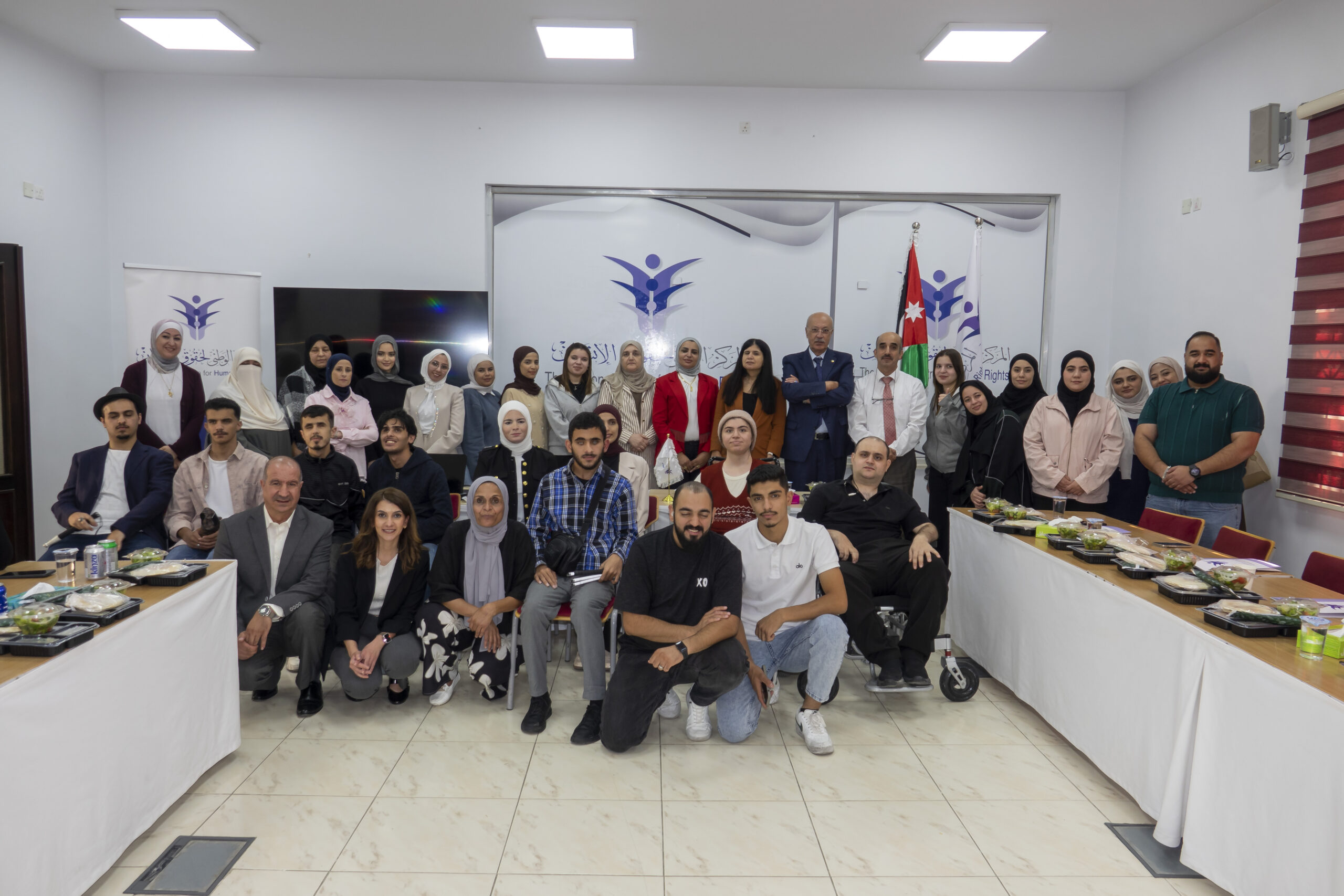
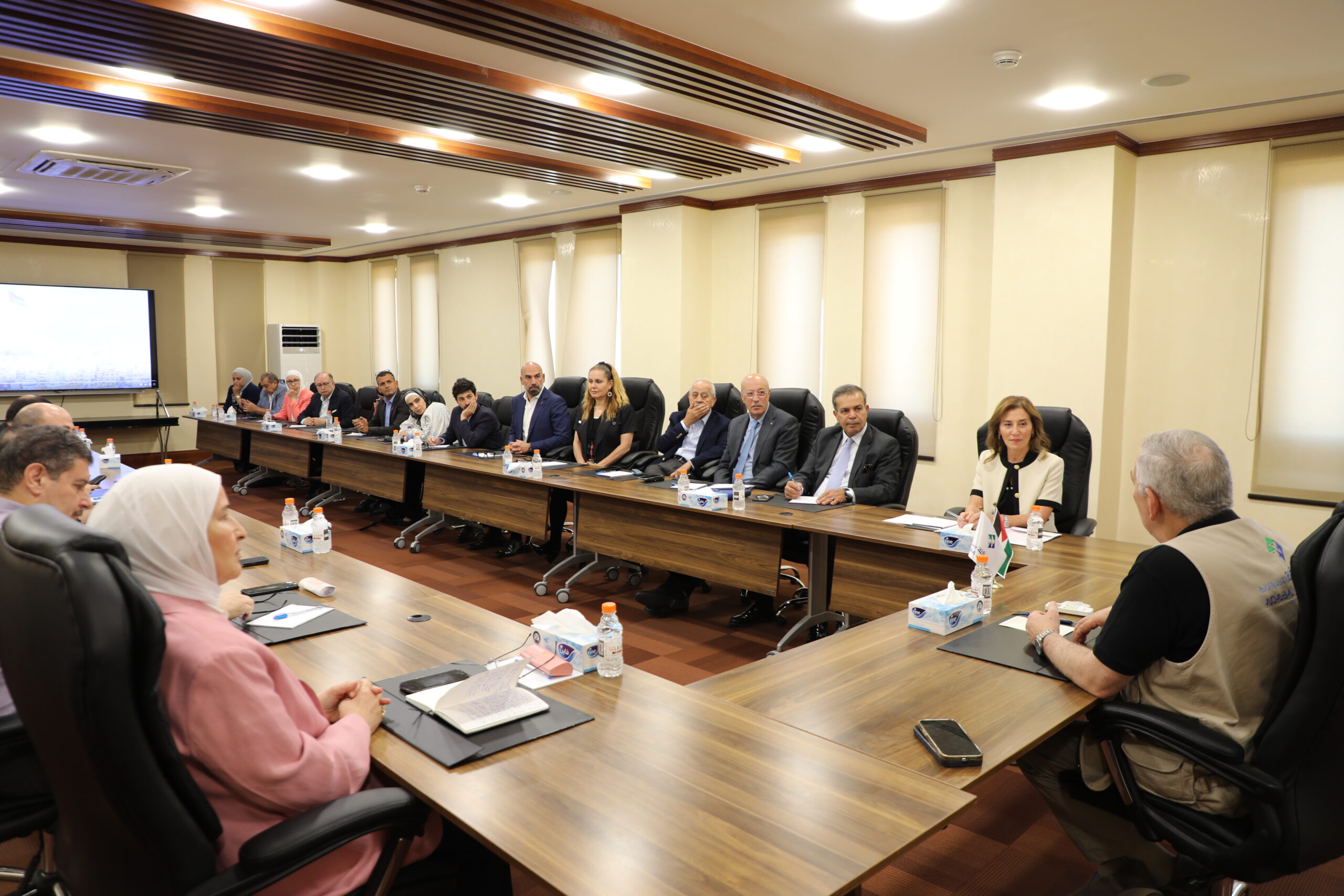
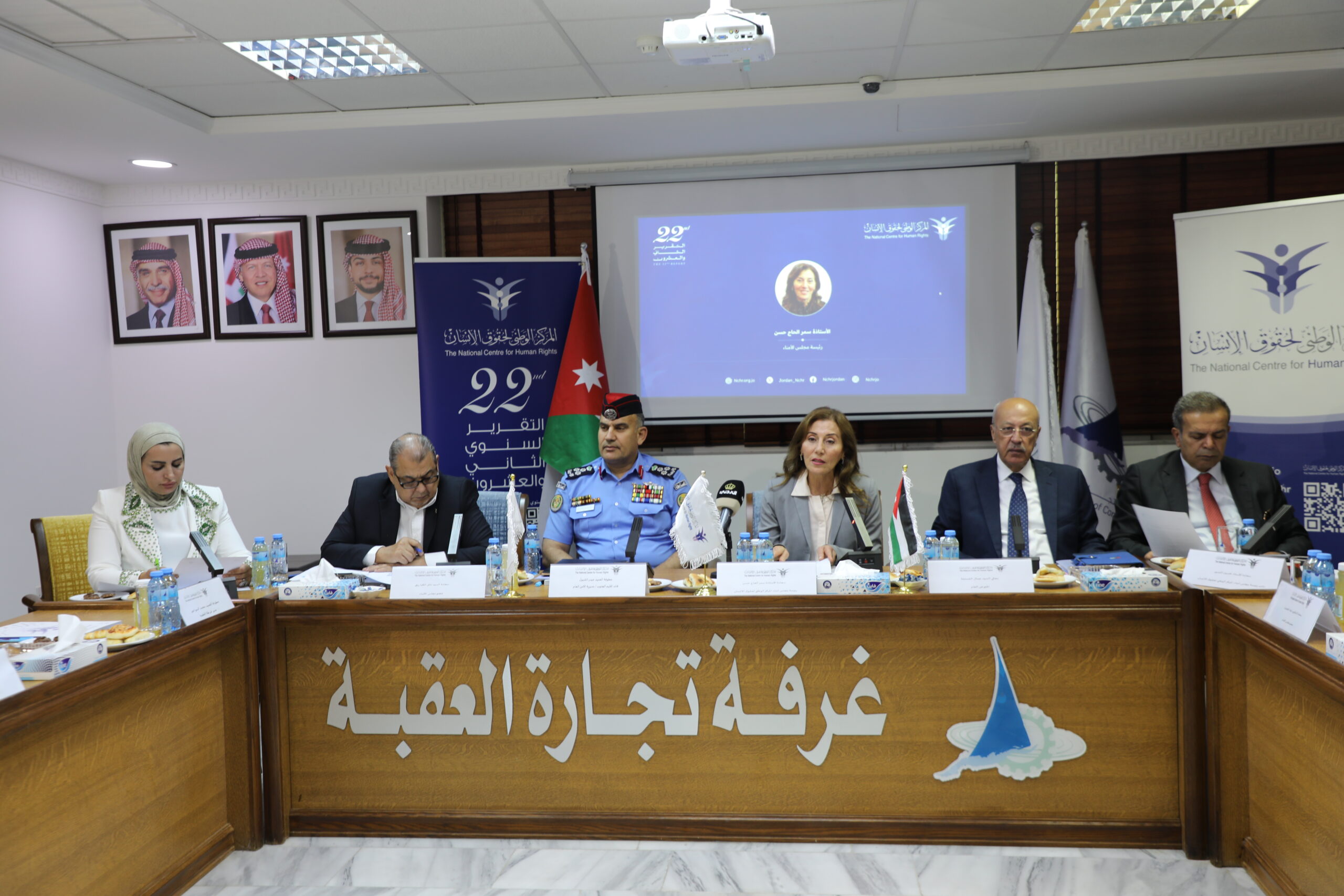
Amman – The National Center for Human Rights (NCHR) organized a seminar to mark International Human Rights Day, entitled “Towards Legislation Aligned with Jordan’s International Human Rights Obligations and the Recommendations of the National Center for Human Rights,” under the patronage of Speaker of the House of Representatives Ahmad Al-Safadi.
In his opening remarks, First Deputy Speaker of the House of Representatives, Dr. Ahmad Al-Khalayleh, representing the Speaker, stated that Jordan had made significant progress in strengthening its human rights framework, protecting public freedoms, and consolidating the principles of citizenship and the rule of law.
Al-Khalayleh emphasized that the House of Representatives attaches the utmost importance to human rights and public freedoms, reflecting the directives of His Majesty King Abdullah II and the Kingdom’s ongoing efforts in this field.
He also praised the role of the National Center for Human Rights and its efforts to assess the national human rights situation, highlighting the importance of the recommendations it provides in this regard.
Al-Khalayleh noted that the seminar’s theme, selected to commemorate International Human Rights Day, was particularly significant given the circumstances facing the country. He emphasized that striking a balance between security, rights, and freedoms is essential to promoting active citizenship and ensuring rights and responsibilities for all.
He further stated that Jordan continues to advance human rights with confidence and determination, referring to the comprehensive political, economic, and administrative modernization process envisioned by His Majesty King Abdullah II.
Al-Khalayleh explained that this modernization process would strengthen citizens’ participation in decision-making by enhancing the roles of women and young people and promoting greater political party engagement.
He also addressed Jordan’s nation-building journey and its role in maintaining international peace and security, noting that the Kingdom had achieved an advanced position in this regard and established a distinguished record.
He stressed that these achievements should encourage national institutions to intensify their efforts to meet the highest international standards and best practices in advancing human rights throughout the Kingdom.
For her part, Acting Head of the National Center for Human Rights, Dr. Reem Abu Dalbouh, stated that the seminar was organized to address the national legislative framework, given the fundamental role of legislation in safeguarding rights and freedoms and consolidating democracy and the rule of law.
In her remarks, Abu Dalbouh emphasized that Jordan attaches considerable importance to the state of human rights and maintains international cooperation in this field, guided by the Royal directives aimed at strengthening the human rights framework, protecting freedoms, and reinforcing the principles of citizenship and the rule of law through appropriate legislation.
She explained that, as part of its ongoing work based on practical field monitoring, the National Center for Human Rights submits annual recommendations to relevant authorities covering political, civil, economic, social, and cultural rights, with the aim of improving the human rights situation in Jordan.
Abu Dalbouh also noted that His Majesty the King consistently emphasizes the importance of implementing the recommendations contained in the Center’s reports to strengthen the national human rights framework and promote cooperation among all relevant institutions.
She concluded by reaffirming that the partnership, cooperation, and coordination between the Center and the legislative authority constitute an ongoing and enduring relationship.
Abu Dalbouh expressed the Center’s appreciation to Speaker of the House of Representatives Ahmad Al-Safadi and his representative, Dr. Ahmad Al-Khalayleh, for their patronage of the seminar.
Meanwhile, Vice Chairman of the Board of Trustees of the National Center for Human Rights, Khaldoun Al-Nsour, stated that the celebration of International Human Rights Day provided an opportunity to reflect on the legislative reforms introduced under the directives and leadership of His Majesty King Abdullah II Ibn Al Hussein.
He noted that these reforms began with the constitutional amendments of 2011 and continued through the outcomes of the Royal Committee to Modernize the Political System.
Al-Nsour added that the occasion also served as an opportunity to reaffirm the principles embodied in the Universal Declaration of Human Rights, describing it as the foundational document and cornerstone of the internationally agreed human rights framework, as well as a global roadmap for establishing the principles of freedom and equality.
He emphasized that one of the Declaration’s most significant features was its inclusiveness, bringing together diverse cultures, religions, and political ideologies.
He explained that the Declaration was drafted by experts representing different cultural traditions and legal backgrounds, whose contributions shaped its provisions and preamble to address all peoples of the world while respecting their differences.
First Session: Legislative Requirements for Ratifying International Conventions
The first session of the seminar, entitled “Legislative Requirements for Ratifying International Conventions,” featured a presentation by lawyer Issa Al-Maraziq, Director of the Awareness and Training Department at the National Center for Human Rights.
Dr. Ghazi Al-Thneibat, Chairman of the Parliamentary Legal Committee, then presented a working paper entitled “Partnership Between Civil Society, the Government, and the National Assembly in the Legislative Process.”
Government Coordinator for Human Rights Natheer Al-Awamleh also presented a paper entitled “The Government’s Role in Harmonizing Legislation with Jordan’s International Human Rights Obligations.”
Second Session: Aligning National Legislation with International Human Rights Standards
During the second session, Saed Karajeh, Chairman of the Legal Affairs Committee of the National Center for Human Rights Board of Trustees, presented a paper entitled “The Legislative Process in the Field of Human Rights in Jordan and Its Alignment with International Standards.”
Dr. Nidal Muqableh, Acting Commissioner for Promotion at the Center, also contributed to the discussion under the same theme.
This was followed by a presentation from Dr. Ibrahim Al-Hubeishan of the Legislation and Opinion Bureau, entitled “Legislative Drafting in Alignment with International Human Rights Standards.”
Dr. Laith Nasrawin, a member of the Center’s Board of Trustees, subsequently presented a paper entitled “The Role of the Constitutional Court in Giving Effect to the Principles of International Human Rights Law.”
Acting Head of the National Center for Human Rights, Dr. Reem Abu Dalbouh, also presented a paper entitled “General Recommendations for Achieving Legislative Alignment with International Human Rights Standards.”
The seminar sessions were moderated by Senator Ihsan Barakat, a member of the Legal Committee of the Senate, and Basma Al-Awamleh, a member of the Center’s Board of Trustees.