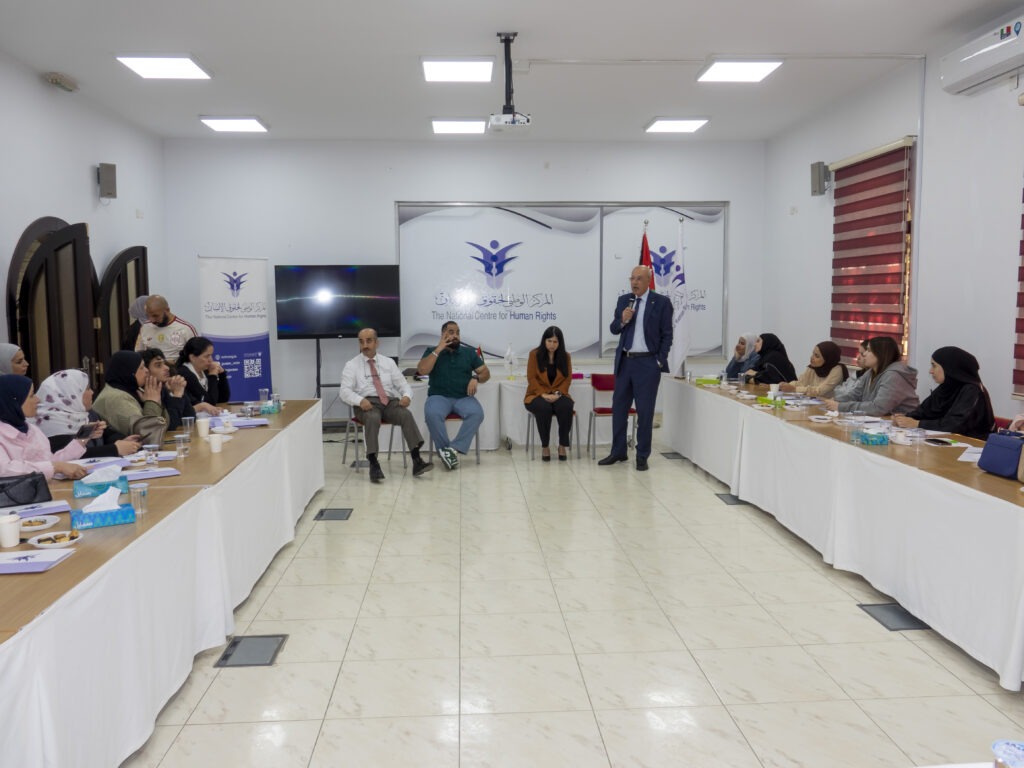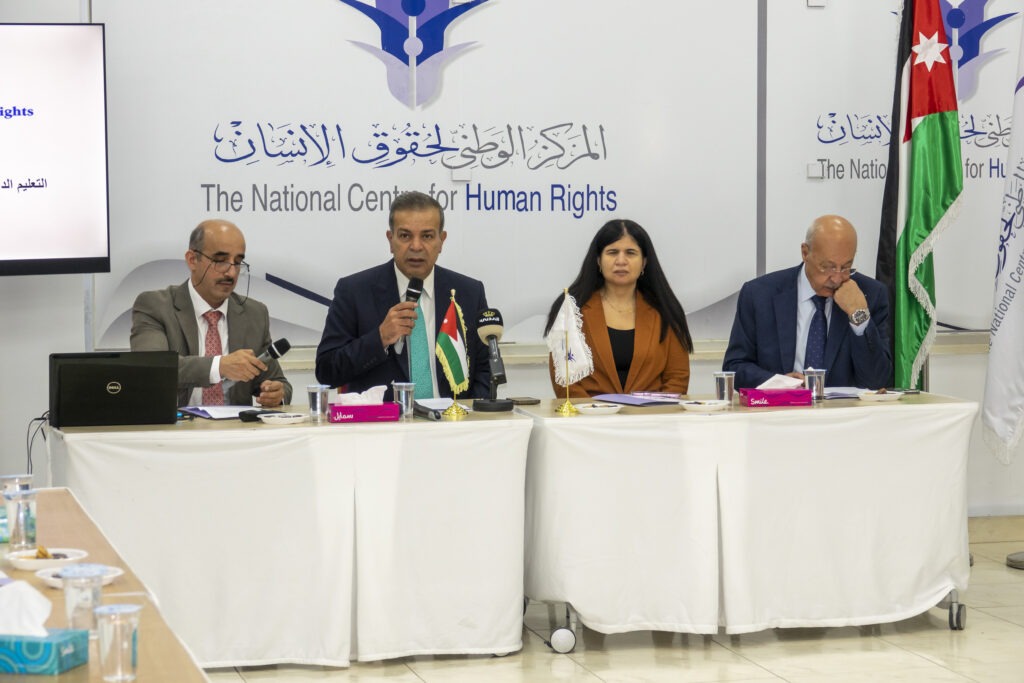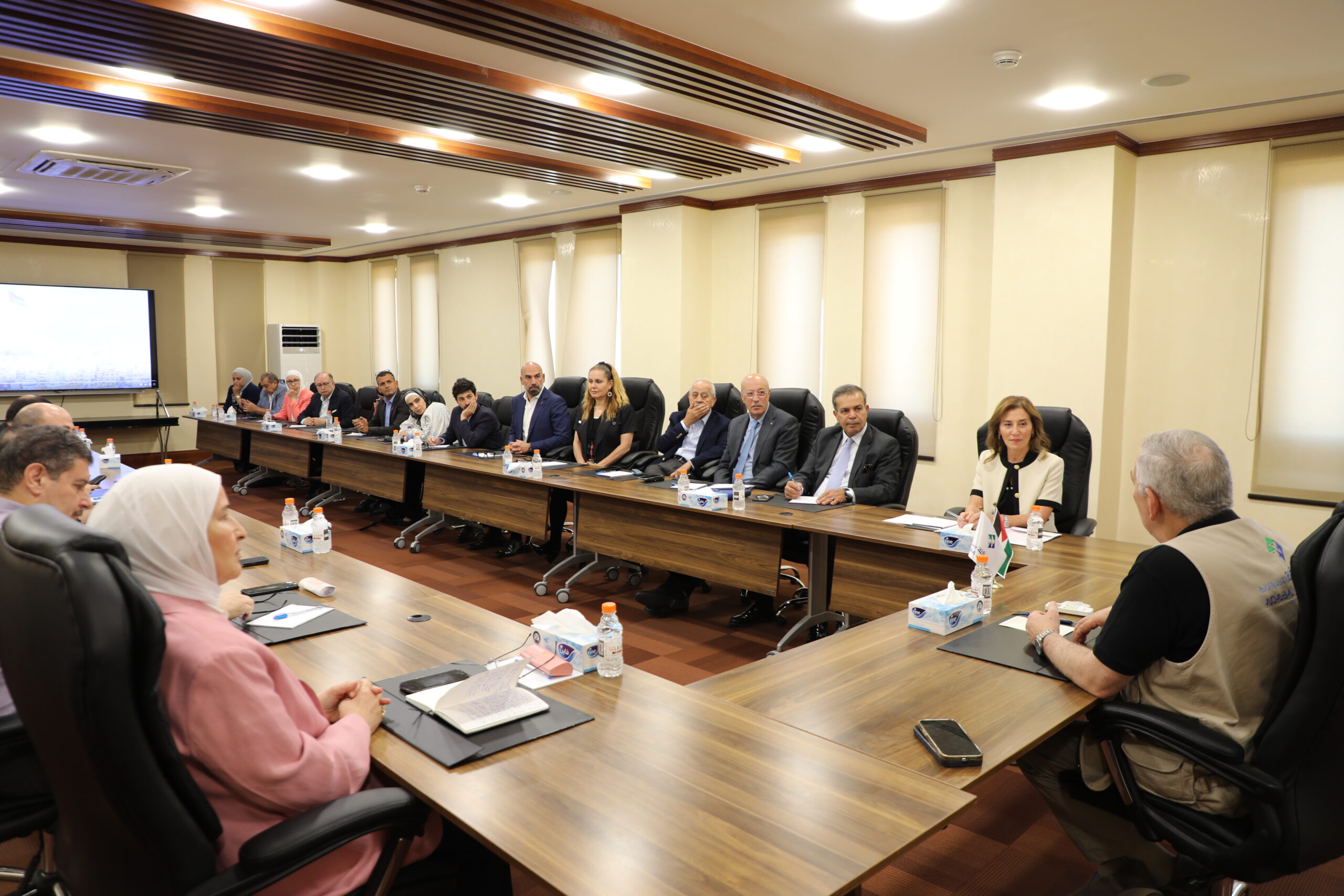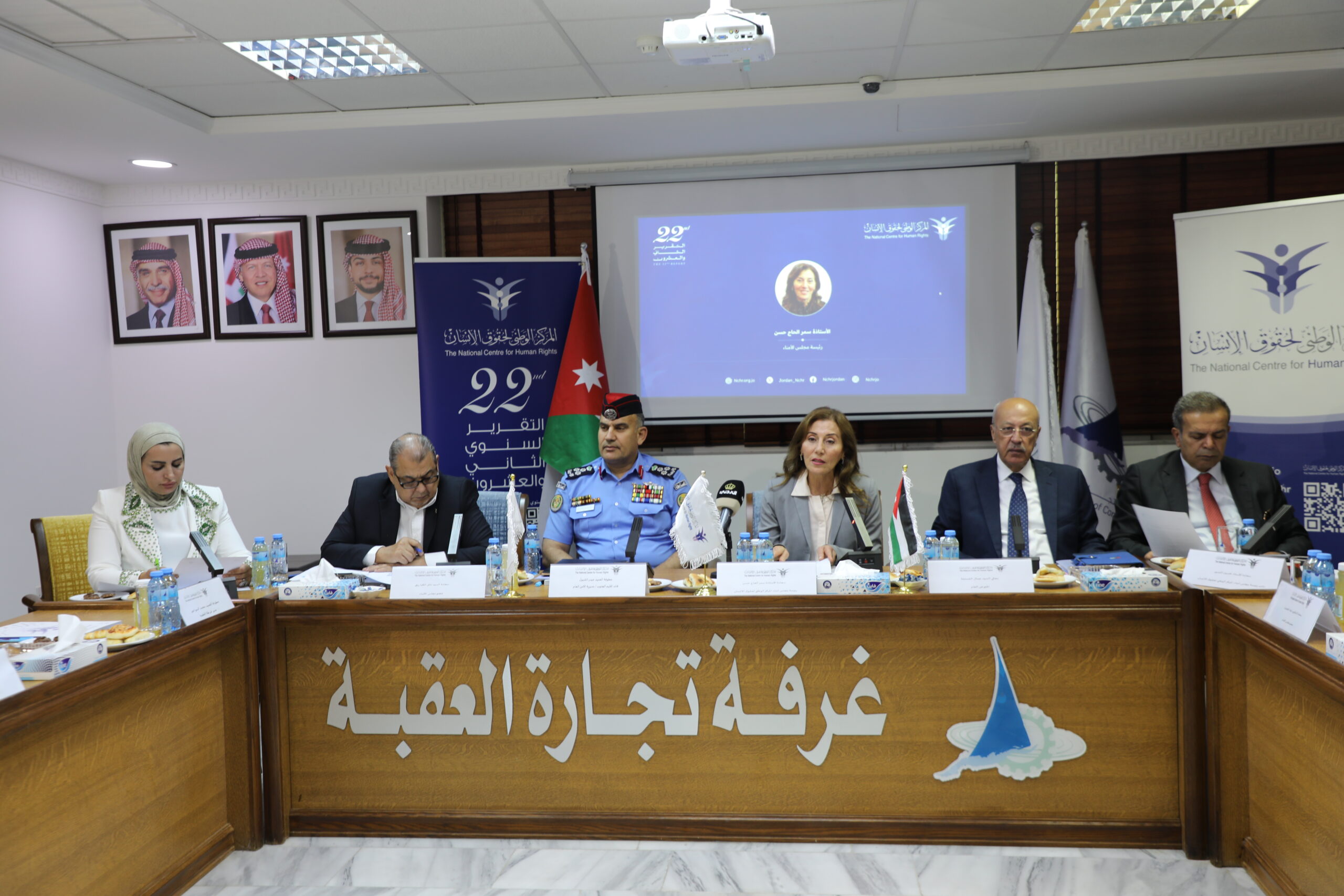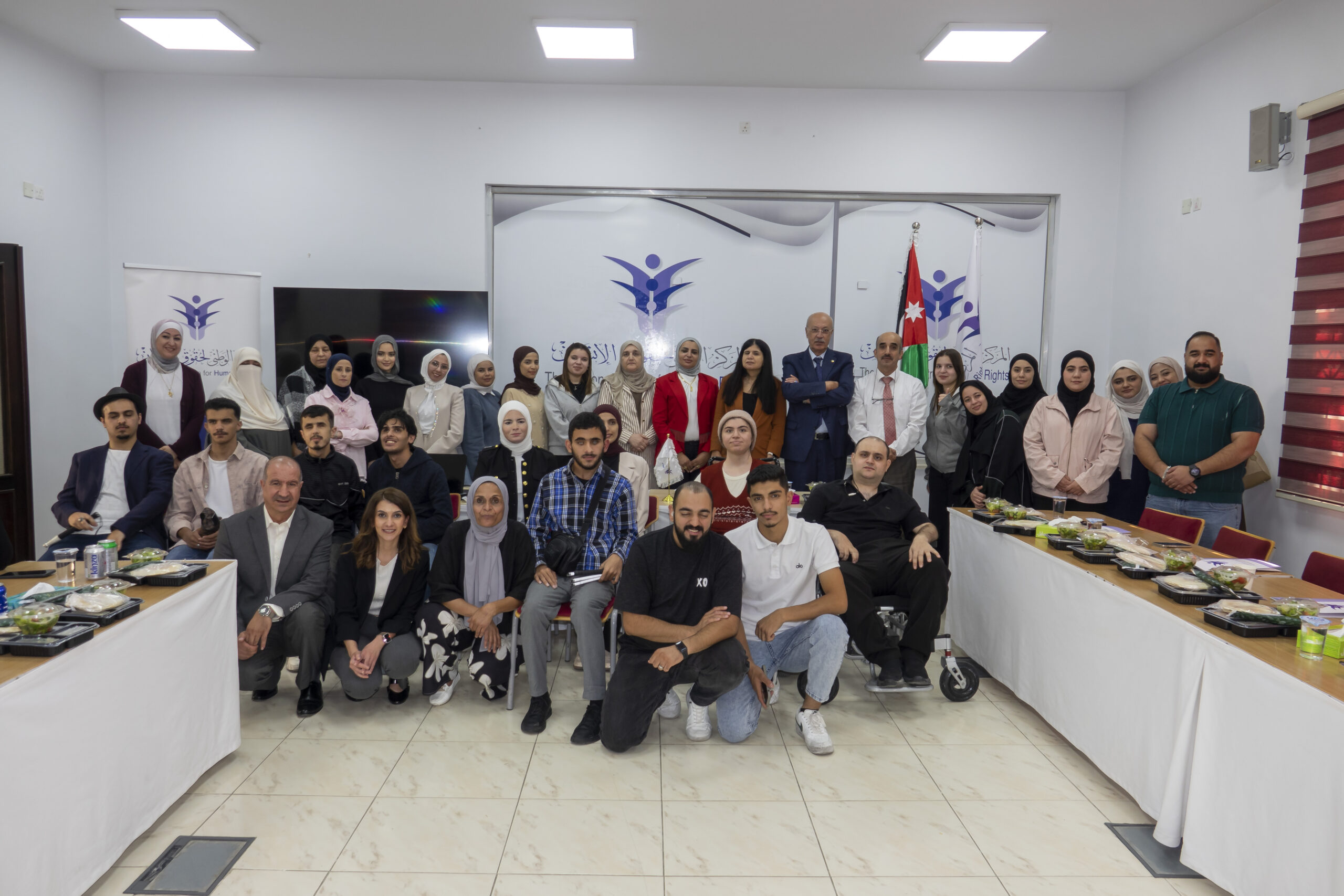
The National Centre for Human Rights (NCHR) held a dialogue session on Tuesday entitled “Inclusive Education for Persons with Disabilities: Current State and Challenges,” as part of its strategic plans to strengthen direct engagement with groups most in need of protection, particularly persons with disabilities, and to hear firsthand about their experiences and the challenges they face in accessing inclusive and equitable higher education.
During the opening session, Deputy Chairperson of the NCHR Board of Trustees, Khaldoun Al-Nsour, emphasized that the right to education is not merely a constitutional guarantee, but a fundamental pillar for empowering individuals and advancing the principles of justice and equal opportunity in Jordanian society.
He explained that institutionalizing inclusive education within academic institutions and universities is of fundamental importance from a human rights perspective, as it provides a basis for moving from theoretical frameworks to practical implementation that safeguards human dignity and ensures the full inclusion of students in all aspects of university life. He stressed the need to address challenges related to infrastructure, reasonable accommodations, educational systems, and adapted curricula.
Al-Nsour noted that the NCHR views inclusive education as part of an integrated human rights and monitoring process that begins with identifying gaps through field monitoring, continues through the formulation of recommendations and follow-up with relevant authorities, and ultimately seeks to measure the impact of measures taken on the lives of students with disabilities and ensure their effective enjoyment of the right to inclusive and equitable education.
For his part, NCHR Commissioner-General Jamal Al-Shamayleh affirmed that the Centre places particular emphasis on the rights of persons with disabilities as part of its priorities, recognizing that these rights are an integral part of the broader human rights framework and are closely linked to the principles of equality and equal opportunity.
He highlighted the importance of the “Amman-Berlin Declaration on Global Disability Inclusion,” issued at the 2025 Global Disability Summit, as a key reference document reflecting international commitment to translating the rights of persons with disabilities into practical policies and programmes.
Al-Shamayleh explained that the session was intended to listen directly to students with disabilities, rather than speak on their behalf, and to better understand the challenges they face within the university environment, including those related to infrastructure and accessibility, curricula, teaching and assessment methods, and societal attitudes that may hinder their full and effective participation.
He stressed that the NCHR will document the observations and experiences shared by participants and follow up on them with the relevant authorities, with the aim of identifying needs and addressing barriers to inclusive higher education that responds to students’ rights and aspirations.
Board of Trustees member Rawan Abu Al-Failat said the session forms part of the NCHR’s mandate to monitor issues and challenges affecting society, particularly persons with disabilities, and contributes to ongoing efforts to advance the implementation of inclusive education in Jordan.
She emphasized that inclusive education should not be limited to the school level but must extend to higher education, where various challenges require continued attention and follow-up. She added that the NCHR will document the views and observations raised during the session and engage with universities and other relevant stakeholders to address them.
Abu Al-Failat added that the session represents a step within the NCHR’s plan to reach communities across the Kingdom. Similar sessions are planned in the northern and southern regions to engage directly with young women and men with disabilities and better understand their needs and challenges.
The session also included an introduction to the NCHR’s mandate and its mechanism for receiving and following up on complaints, as well as a presentation on its annual report. Participants engaged in a direct discussion with university students with disabilities about the main challenges and needs related to their educational experience, with a view to promoting a more inclusive, accessible, and equitable university environment for all.