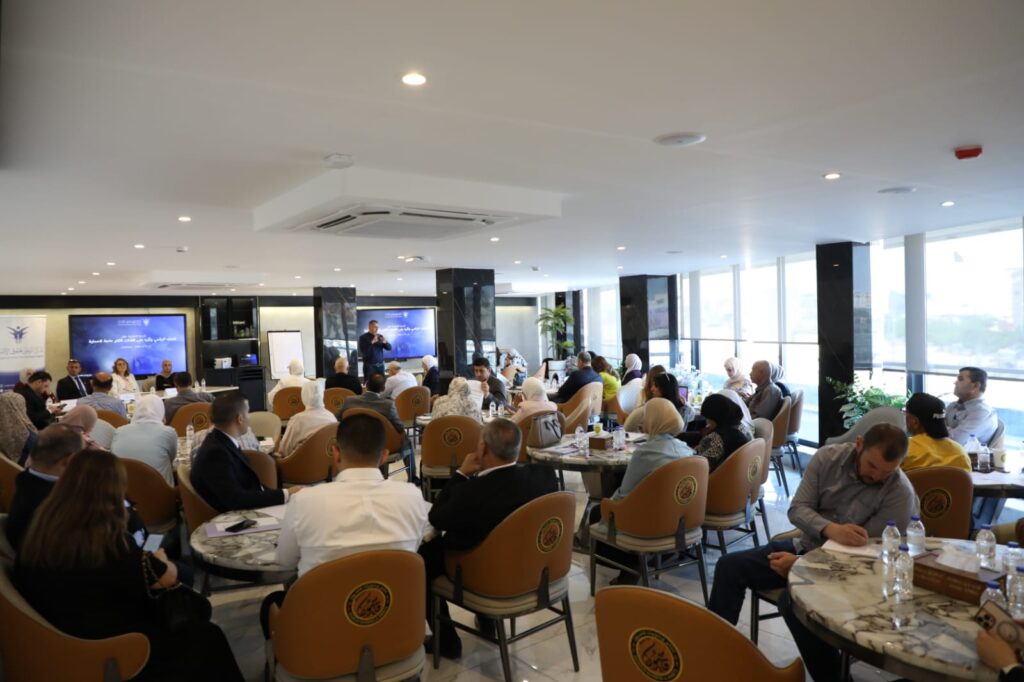
The National Centre for Human Rights (NCHR), in partnership with the Danish Institute for Human Rights (DIHR), concluded the dialogue seminar entitled “Digital Violence and Its Impact on the Groups Most in Need of Protection,” held on 13–14 July 2026 in Irbid Governorate.
The seminar brought together representatives from the executive and judicial authorities, universities, civil society organizations, experts, and specialists, in addition to persons with disabilities from the northern governorates, with the aim of continuing the national dialogue and building upon the outcomes of the first dialogue seminar.
The seminar was inaugurated by Dr. Fadi Miqdadi, Member of the Board of Trustees of the National Centre for Human Rights, who emphasized that digital violence has become one of the most pressing emerging human rights challenges amid the rapid advancement of technology and artificial intelligence. He stressed the need to develop national human rights-based responses, particularly to protect the groups most in need of protection. He also highlighted that the Centre’s Strategic Plan places significant emphasis on digital space issues and on the promotion and protection of human rights.
Dr. Nahla Al-Momani emphasized that the seminar aims to continue the Centre’s participatory approach by developing practical and measurable recommendations covering the national legislative framework, relevant policies, institutional practices, empowerment initiatives, and other comprehensive areas of action. She noted that these recommendations will be reviewed, followed up, and implemented in cooperation with the relevant stakeholders, alongside the recommendations that will emerge from the dialogue seminars to be held across the Kingdom’s regions.
For her part, Ms. Khulood Shakakhwa, Country Coordinator and Head of the Danish Institute for Human Rights in Jordan, reaffirmed the importance of continuing the partnership with the National Centre for Human Rights and strengthening the exchange of expertise and best practices to enhance more effective responses for protecting human rights in the digital environment.
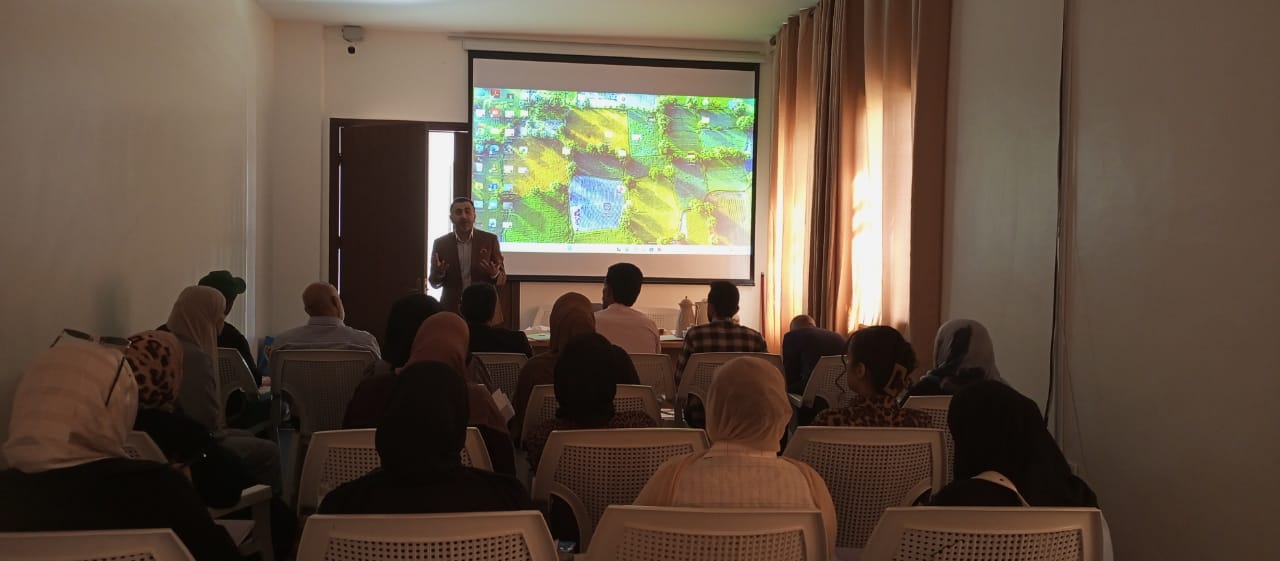
On the first day, the seminar addressed the conceptual, international, national, judicial, and media dimensions of digital violence. Discussions also focused on the realities of digital violence affecting women, children, persons with disabilities, and older persons, in addition to reviewing prevention and protection mechanisms and the role of relevant institutions in addressing this phenomenon.
On the second day, specialized working groups discussed recommendations related to the protection of women, children, persons with disabilities, and older persons. The seminar also ensured the provision of reasonable accommodation to facilitate the participation of persons with disabilities, including sign language interpretation services and the availability of the programme in Braille, reaffirming the Centre’s commitment to accessibility and inclusive participation.
The seminar concluded with the presentation and discussion of the working groups’ outcomes. The key recommendations focused on strengthening national legislation and policies related to digital violence, enhancing prevention, protection, and response mechanisms, raising public awareness, and building the capacities of relevant institutions to reinforce the protection of human rights in the digital environment.
The National Centre for Human Rights further confirmed that the outcomes of this seminar will be consolidated with those of the forthcoming regional dialogue seminars into a comprehensive final report containing the main discussions and practical recommendations.