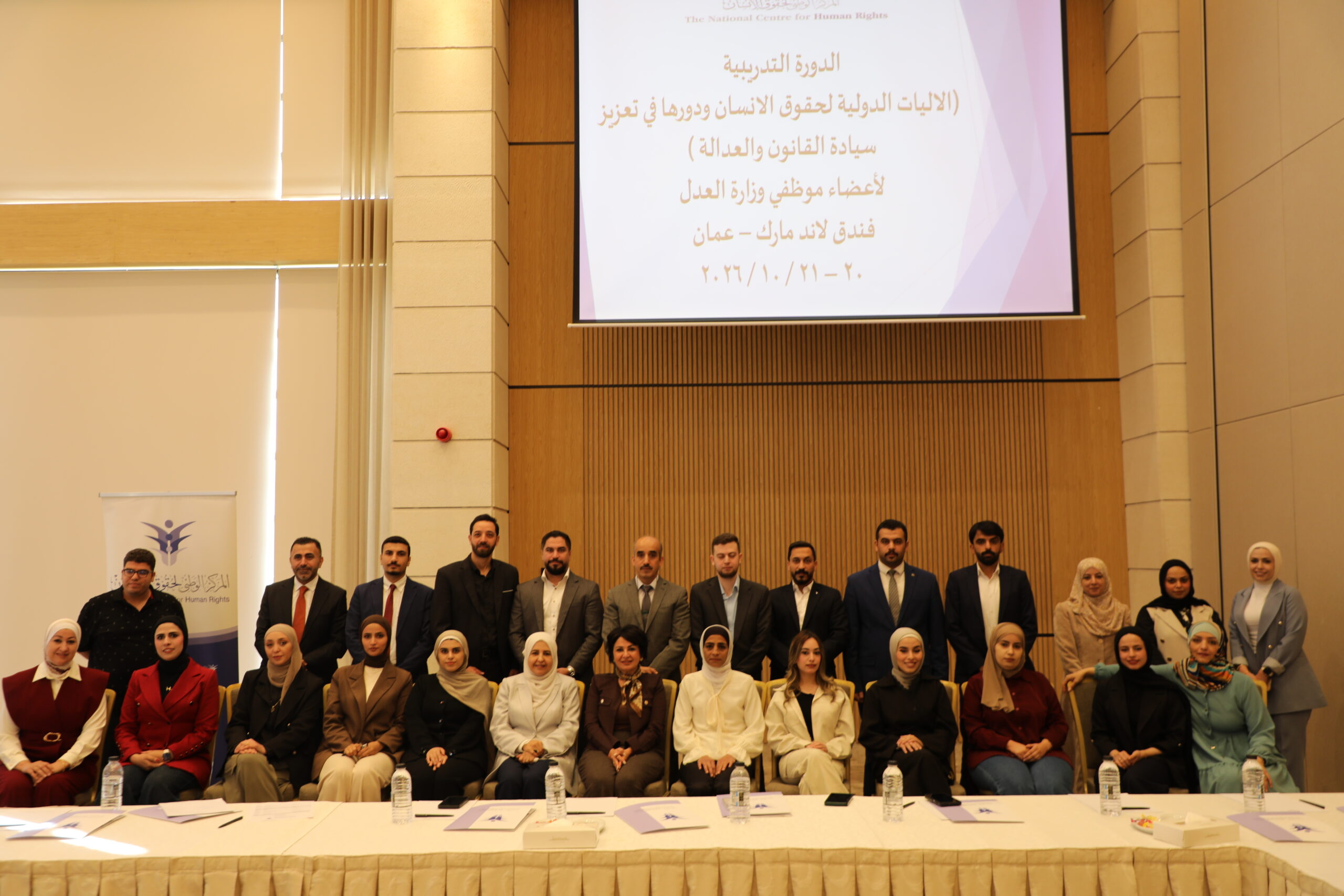
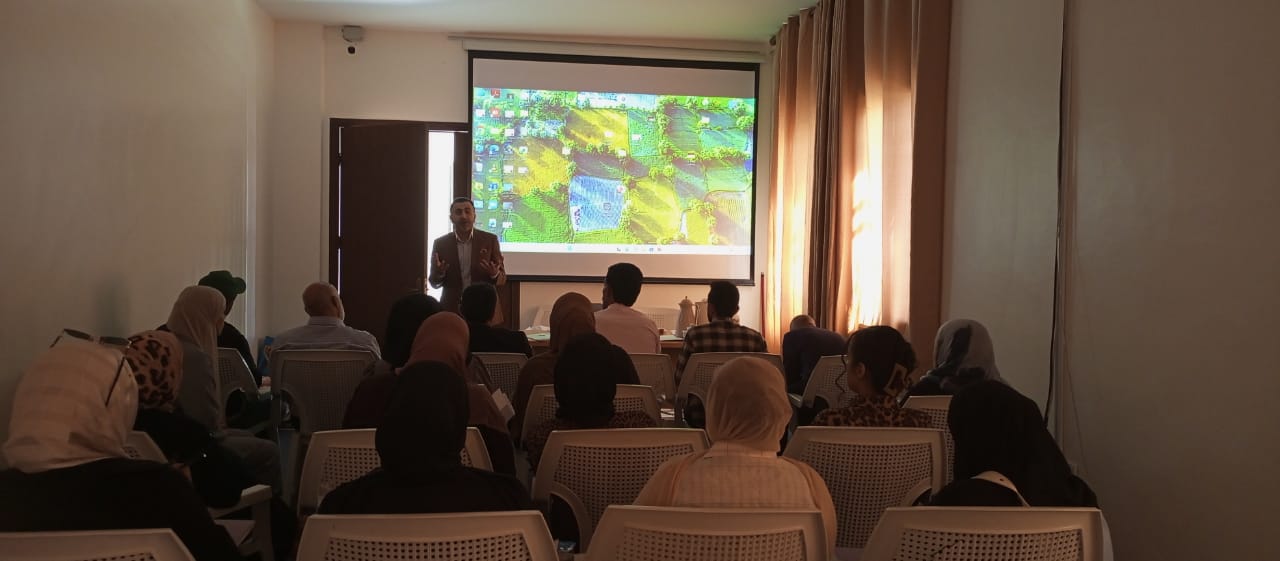
Amman – The National Centre for Human Rights (NCHR) announced the practical mechanisms for assessing the legislative impact of Cybercrime Law No. 17 of 2023 during a discussion session organized by the Centre. The session was attended by representatives of the legislative, executive, and judicial authorities, civil society organizations, media professionals, academics, experts, and members of the Centre’s Board of Trustees, as part of the Centre’s participatory approach to engaging with all relevant stakeholders.
During the session, the NCHR outlined the mechanisms and tools it intends to employ, pursuant to its Law No. 51 of 2006, to assess the impact of implementing the Cybercrime Law. These mechanisms include monitoring, receiving, and analyzing complaints; following judicial interpretations of the law’s provisions; and organizing dialogue and discussion sessions with various stakeholders. These efforts will culminate in the preparation of a specialized report outlining the frameworks and conditions necessary to ensure the optimal implementation of the law, foster a legislative environment consistent with human rights standards, and provide recommendations for improving its provisions.
In this context, Chairperson of the NCHR Board of Trustees, Samar Al-Haj Hassan, announced in her opening remarks the launch of a dedicated hotline for receiving complaints related to freedom of expression and the implementation of the Cybercrime Law, at 0791114641. Through this hotline, the Centre will receive, document, and analyze complaints.
Al-Haj Hassan emphasized that, alongside its legislative impact assessment, the Centre is pursuing a parallel approach aimed at ensuring the proper implementation of the law by raising awareness of its provisions in accordance with international human rights standards.
She further highlighted the Centre’s ongoing cooperation with the National Centre for Curriculum Development to integrate human rights concepts into school curricula. Additionally, in coordination with the Judicial Council, the NCHR has contributed to training judges designated by the Council to hear cybercrime cases, focusing on relevant international standards concerning freedom of expression.
As part of its comprehensive assessment, Al-Haj Hassan also announced that the Centre is preparing a position paper on the Law on Guaranteeing Access to Information No. 47 of 2007 and its amendments, emphasizing that the effective exercise of the right to access information constitutes a fundamental prerequisite for exercising freedom of expression.
She reaffirmed the directives of His Majesty King Abdullah II Ibn Al Hussein during his recent meeting with the Centre’s Board of Trustees, in which His Majesty emphasized the Centre’s role and stressed that combating cybercrime must not come at the expense of Jordanians’ right to express their opinions and criticize public policies. At the same time, he underscored the need to address offensive conduct that violates ethical standards and breaches the law, emphasizing that the manner in which the law is implemented would be the decisive factor in evaluating it.
In the same context, the Chairperson of the Board of Trustees reiterated the Centre’s commitment to adopting mechanisms for cooperation and coordination with all relevant stakeholders as part of its assessment of the legislative impact of the Cybercrime Law, ensuring continued participation and coordination in examining the law’s implementation.
At the conclusion of the discussion session, participants put forward a set of recommendations, most notably the need to adopt a participatory approach to raising awareness of the Cybercrime Law and ensuring its proper implementation.
They also recommended analyzing the findings of monitoring activities and preparing a specialized report to be submitted to the relevant authorities, with the aim of contributing to the further development and improvement of the law.
Participants further emphasized the importance of considering all aspects of the justice system during the monitoring process, including the impact of the law’s implementation on all segments of society. They also stressed the need to examine the social and economic dimensions of the Cybercrime Law.
It is worth noting that the NCHR will continue to organize specialized discussion sessions with all relevant stakeholders to assess the impact of implementing the Cybercrime Law.