Cairo – Vice Chairman of the Board of Trustees of the National Center for Human Rights (NCHR), Khaldoun Al-Nsour, stated that the Royal directives concerning the implementation of Defence Law No. 13 of 1992 included safeguards to protect human rights under exceptional circumstances.
He noted that the National Center for Human Rights in Jordan had commended the content of the Royal letter addressed to the Prime Minister on March 17, 2020, which emphasized that the implementation of the Defence Law and the orders issued pursuant to it should be limited to the narrowest possible scope, without infringing upon Jordanians’ civil and political rights.
The Royal directives also stressed the importance of safeguarding public freedoms, the right to freedom of expression, and other guarantees enshrined in the Constitution under existing ordinary legislation, as well as ensuring respect for private property, including real estate, movable assets, and immovable property.
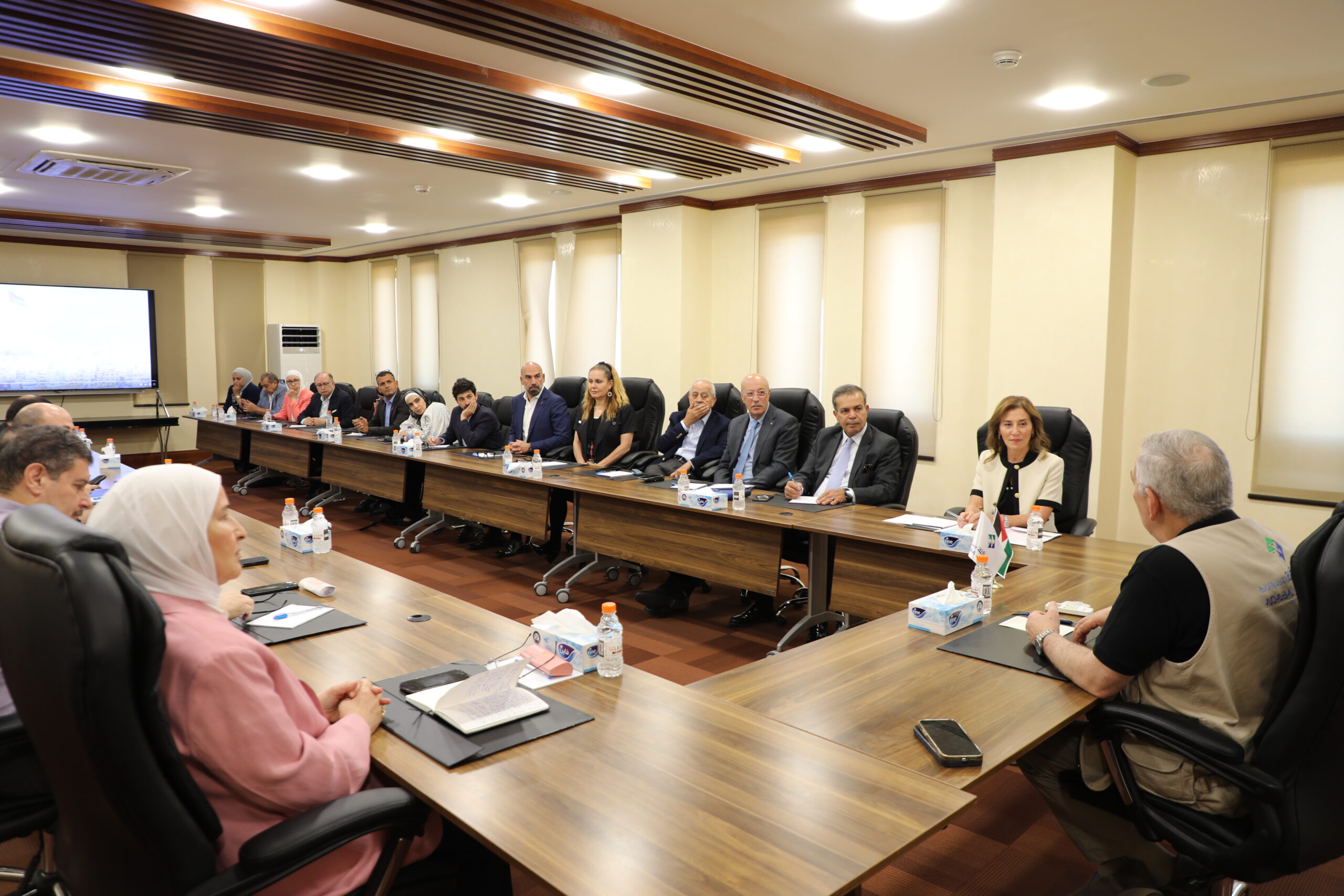
Speaking on behalf of the National Center for Human Rights at the Fourth High-Level Regional Conference on the Protection and Promotion of Human Rights, organized by the League of Arab States in Cairo under the theme “The Impact of Crises on the Enjoyment of Human Rights: The COVID-19 Pandemic as a Model,” Al-Nsour highlighted the Center’s role during the pandemic.
He stated that, amid global efforts to confront the pandemic and its repercussions, the National Center for Human Rights played a prominent role in monitoring the human rights situation during the implementation of exceptional measures.
Al-Nsour explained that the Center’s role extended beyond monitoring to helping introduce a more humane approach to numerous procedures, through coordination and cooperation with law enforcement authorities.
He noted that, as early as March 17, 2020, the Center had emphasized the need to respect and safeguard all public rights and freedoms guaranteed by the Constitution and international human rights standards in the event of implementing the Defence Law, stressing that its application should remain as limited as possible.
Al-Nsour further explained that the Center had prepared several specialized studies and reports examining the state of human rights in Jordan during the COVID-19 pandemic, drawing on field monitoring and objective analysis from a human rights perspective.
These publications included The Impact of the COVID-19 Pandemic on Civil and Political Rights and The Third Periodic Report on the Conditions of Correctional and Rehabilitation Centers.
Other studies, whose findings were incorporated into the report discussed during the conference, included An Analytical Study of Defence Orders from a Human Rights Perspective, The Impact of the COVID-19 Pandemic on the Right of Access to Justice and Fair Trial Guarantees, and The Impact of the COVID-19 Pandemic on the Rights of Groups Most in Need of Protection.
Al-Nsour emphasized that these reports were intended to provide an objective assessment of progress achieved, identify shortcomings and areas requiring improvement, and offer specific, actionable recommendations.
He explained that these efforts aimed to strengthen cooperation and complementarity among relevant institutions while improving mechanisms for implementing human rights protections.
The Fourth High-Level Arab Regional Conference on the Protection and Promotion of Human Rights commenced at the headquarters of the General Secretariat of the League of Arab States in Cairo, organized in cooperation and partnership between the League of Arab States and the Office of the United Nations High Commissioner for Human Rights (OHCHR).
The conference aimed to examine the impact and implications of the COVID-19 pandemic on human rights across the Arab region, highlight efforts to mitigate its economic and social consequences, identify existing challenges, draw key lessons from the crisis, and explore the broad outlines of a future roadmap.
The two-day conference brought together representatives of various national and regional Arab human rights mechanisms, a high-level delegation from the Office of the United Nations High Commissioner for Human Rights, and representatives of several relevant specialized United Nations agencies and international organizations, including the World Health Organization (WHO), the International Organization for Migration (IOM), and the United Nations High Commissioner for Refugees (UNHCR).