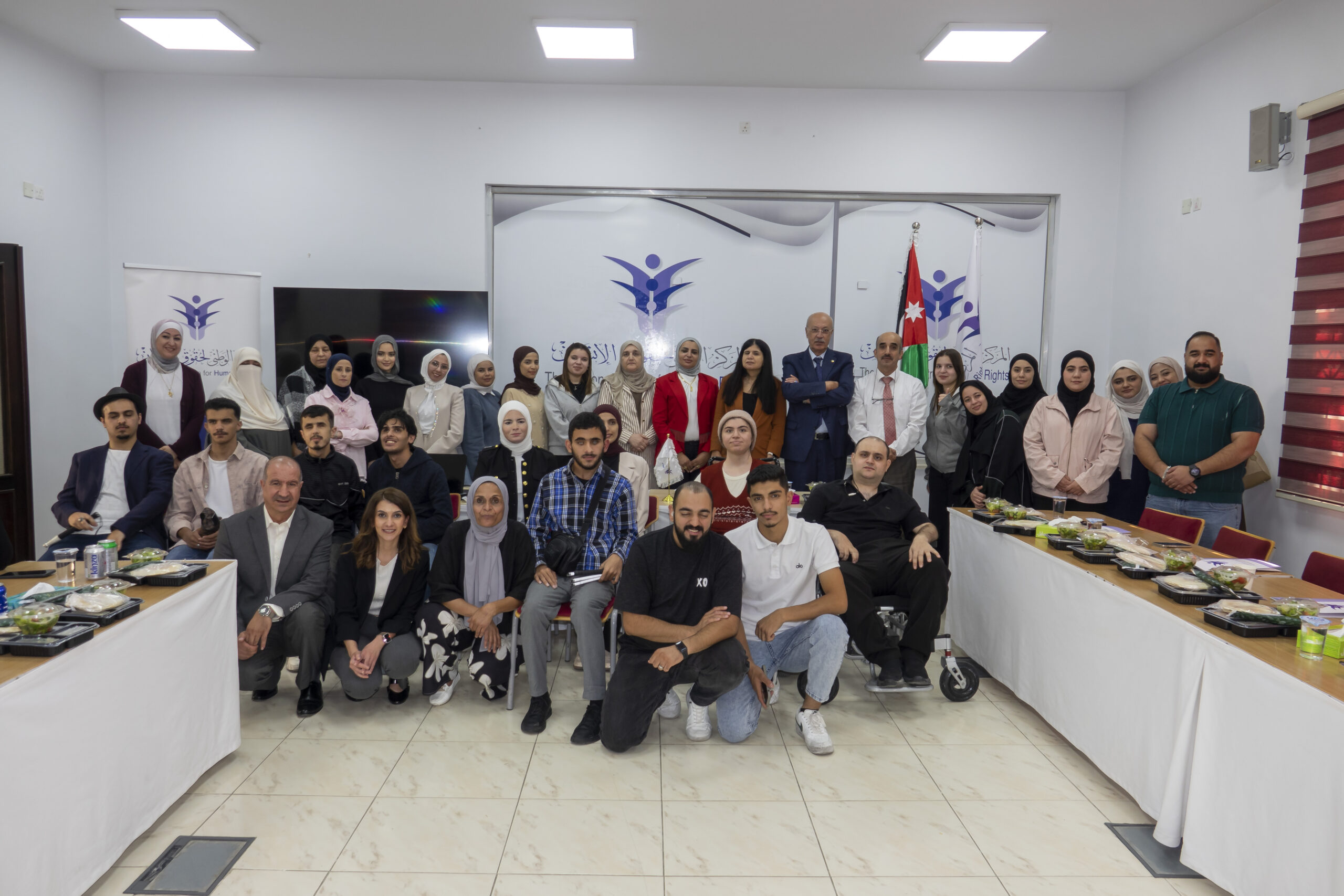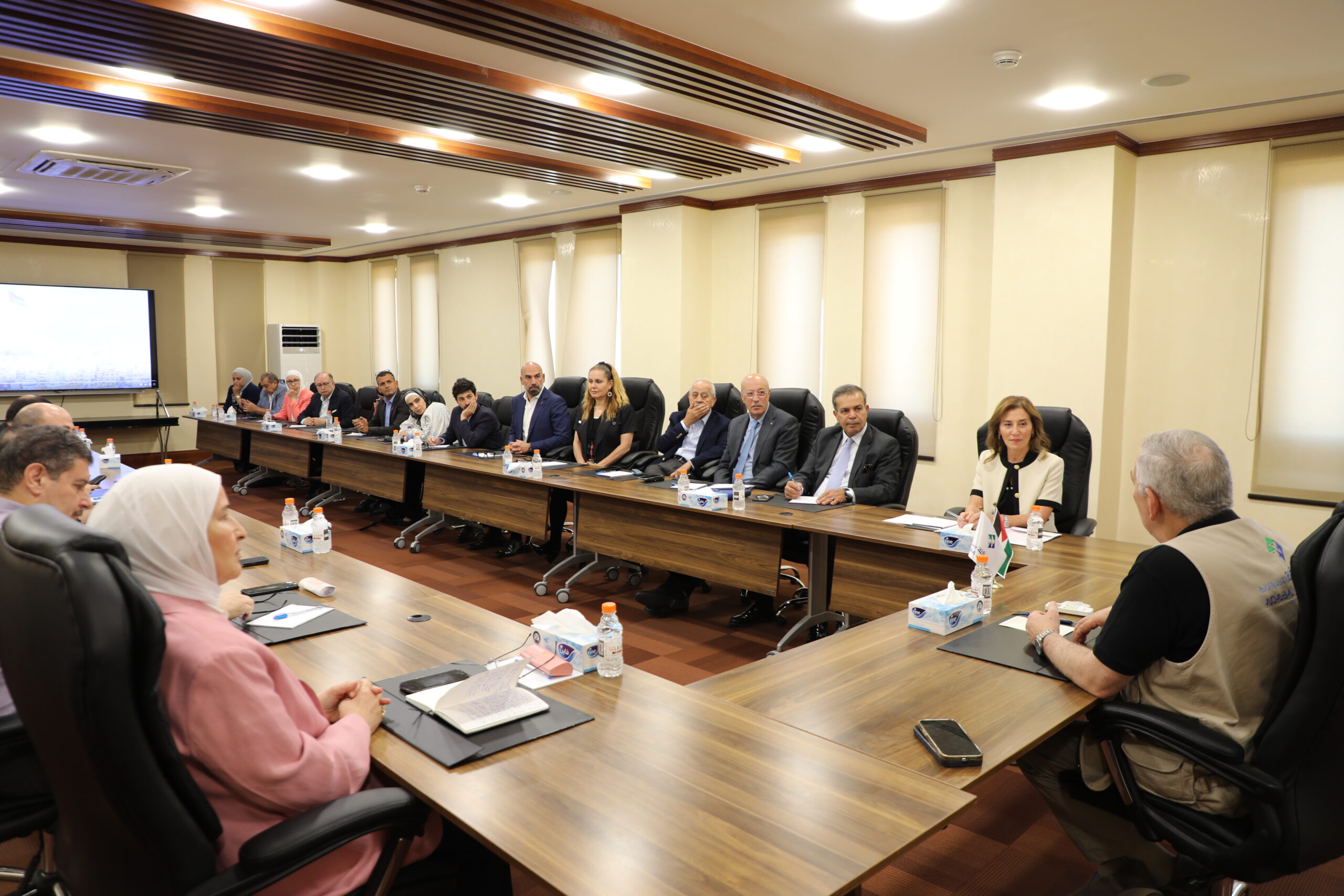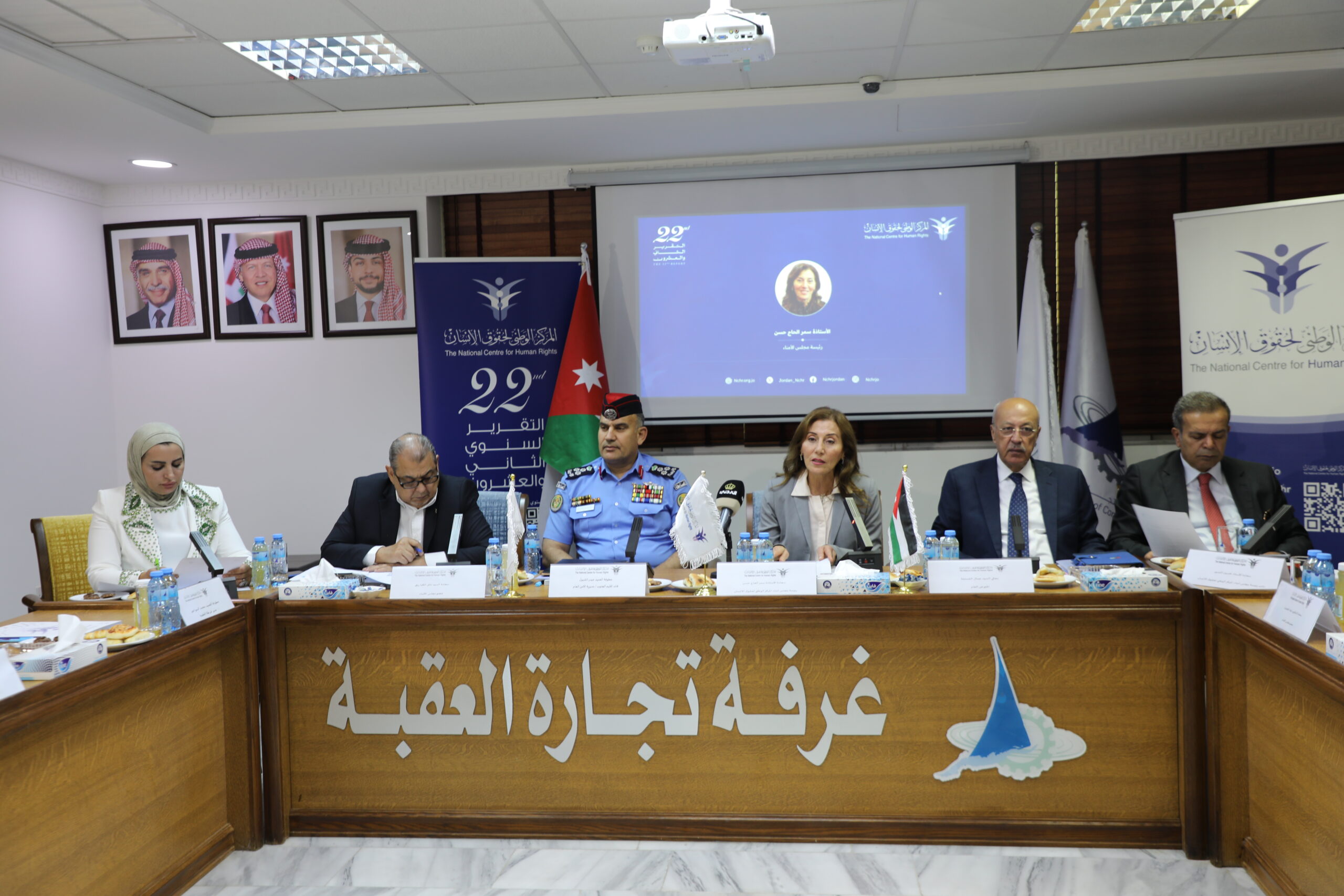
The National Centre for Human Rights (NCHR) continues to conduct field monitoring visits to a number of inclusive schools in northern and central Jordan as part of its ongoing efforts to protect and promote the rights of persons with disabilities and monitor the extent to which they enjoy their rights, including the right to education on the basis of equality and non-discrimination.
These visits are consistent with the Centre’s objectives and mandate under its governing law, as well as the priorities of its Strategic Plan, which seeks to strengthen the monitoring of human rights conditions and assess the enjoyment of these rights in accordance with relevant national and international standards.
During September, the monitoring visits covered Jamal Al-Din Al-Afghani Vocational Secondary School for Boys and Umm Al-Dananeer Coeducational Basic School, both located in Balqa Governorate, as well as Ajloun Coeducational Basic School and Ajloun Castle Coeducational Basic School in Ajloun Governorate.
The visits aimed to assess the implementation of inclusive education practices and the availability of the necessary requirements to ensure that students with disabilities have access to inclusive, quality education in an accessible, safe, and equitable learning environment. A total of 15 schools have been monitored.
The monitoring visits focused on several key areas, including challenges related to the physical school environment and accessibility of school facilities, the suitability of curricula and educational materials, the availability of qualified teaching staff and support teachers, as well as the provision of support services and reasonable accommodation.
The visits also sought to identify the main barriers that may prevent students with disabilities from fully exercising their right to education and participating effectively in school life on an equal basis with their peers.
Based on the findings of these monitoring visits, the NCHR documented its field observations, identified key gaps and challenges affecting the implementation of inclusive education, and developed recommendations to address them.
The Centre also formally communicated its findings and recommendations to the Ministry of Education and Human Resources Development through official correspondence, with the aim of following up on the measures required to address the identified challenges and strengthen the provision of essential resources and support to ensure that students with disabilities can exercise their right to education on the basis of equality and non-discrimination.
The Ministry has responded to several recommendations submitted by the Centre following previous monitoring visits.
The NCHR reaffirms the importance of sustaining national efforts to strengthen the implementation of inclusive education, address the challenges faced by students with disabilities, improve accessibility to school facilities and educational materials, and ensure the availability of qualified staff, support services, and reasonable accommodation.
These measures are essential to guaranteeing the right of students with disabilities to inclusive, quality education on an equal basis with their peers, within a safe, equitable, and discrimination-free learning environment.