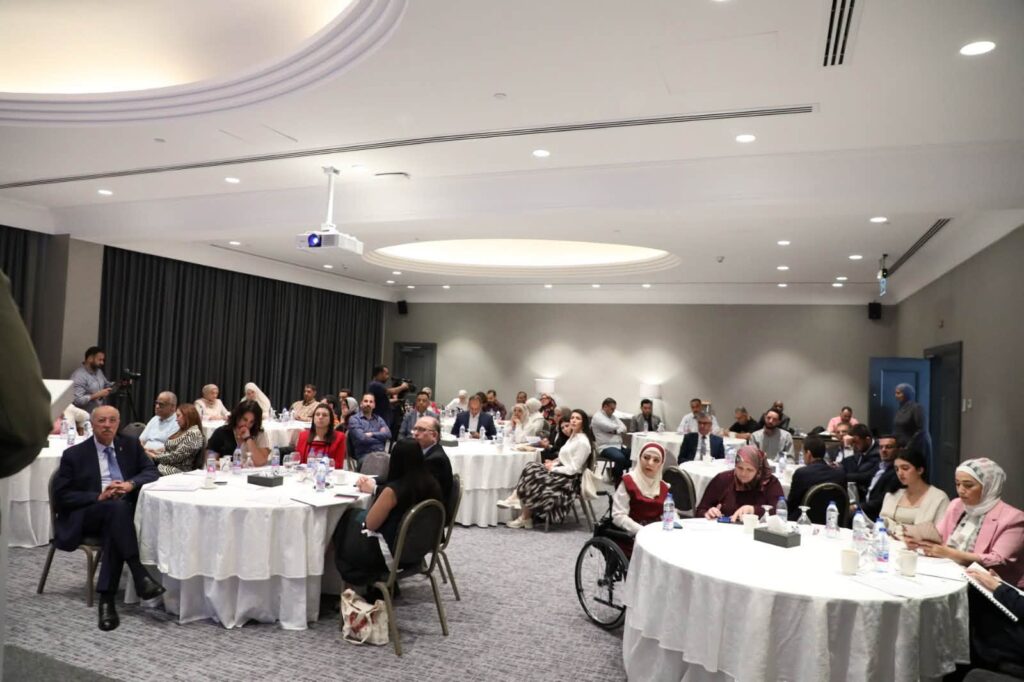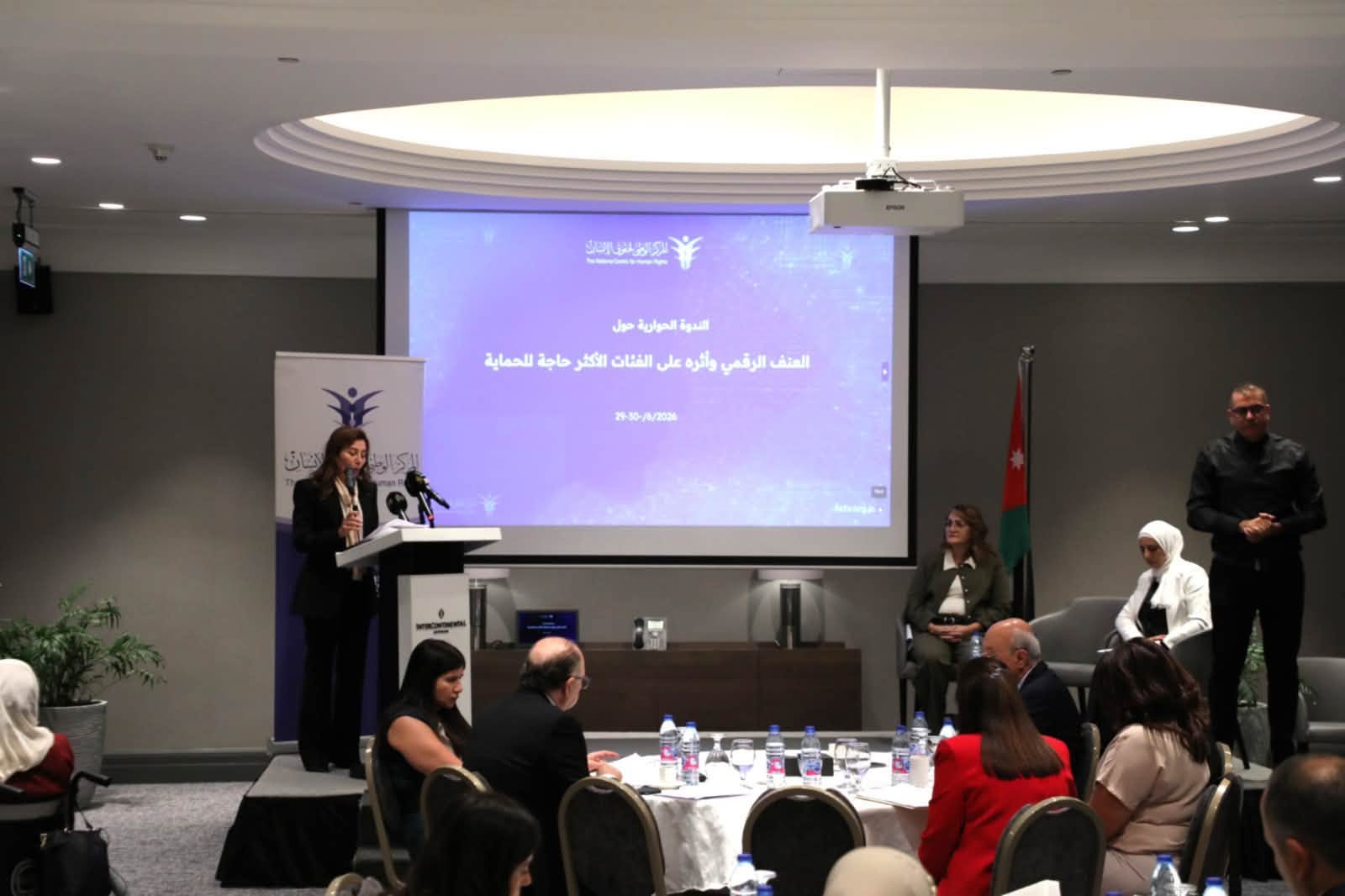
Amman – The National Centre for Human Rights (NCHR), in partnership with the Danish Institute for Human Rights (DIHR), organized a dialogue seminar entitled “Digital Violence and Its Impact on Groups Most in Need of Protection.” The seminar aimed to foster national dialogue on the challenges associated with the digital space from a human rights perspective, highlight the impact of digital violence on groups most in need of protection, and explore ways to develop national responses based on prevention, protection, and accountability, in line with international human rights standards.
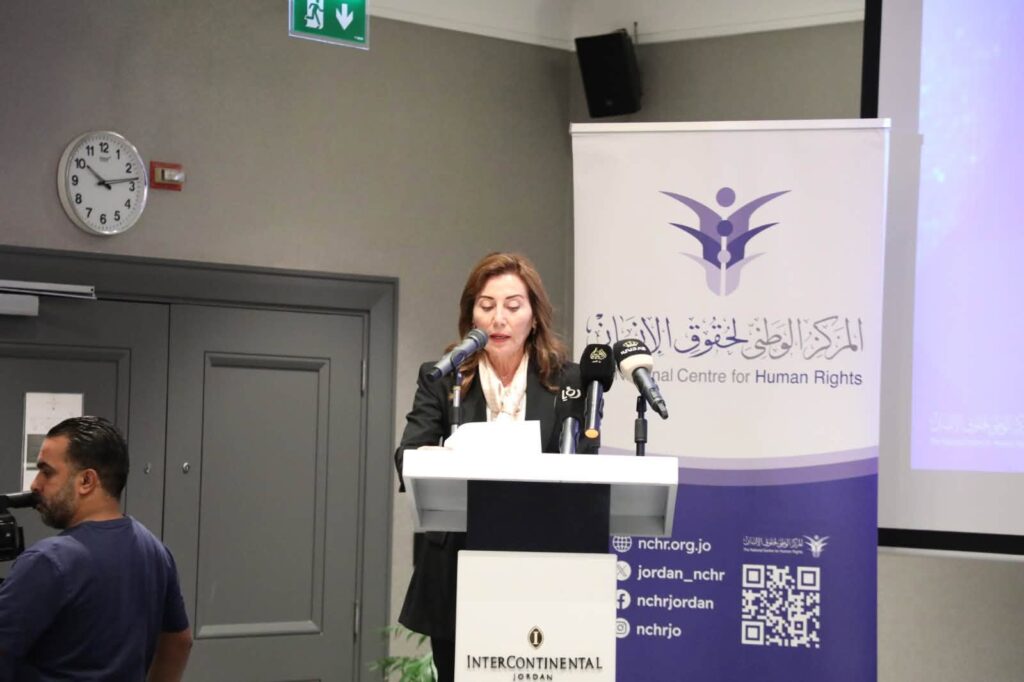
The seminar was opened by Ms. Samar Al-Haj Hassan, Chairperson of the Board of Trustees of the National Centre for Human Rights, who emphasized the importance of addressing digital violence amid rapid digital transformation and the emerging challenges it poses to fundamental rights and freedoms. She noted that these challenges have a disproportionate impact on groups most in need of protection due to several factors, including limited awareness of digital protection mechanisms, barriers to accessing effective remedies, and the need for tailored protection measures for certain groups. She stressed the importance of strengthening national dialogue and developing prevention and response mechanisms grounded in a human rights-based approach.
For her part, Ms. Khulood Shakakhwa, Country Coordinator and Director of the Danish Institute for Human Rights – Jordan, expressed the Institute’s pride in its longstanding partnership with the National Centre for Human Rights, describing it as a model for cooperation in the promotion and protection of human rights while addressing emerging challenges in the digital environment. She commended the Centre’s efforts to monitor human rights issues and promote national dialogue on the challenges associated with digital transformation.
In the same context, Dr. Nahla Al-Momani, Commissioner for Protection at the National Centre for Human Rights, highlighted the importance of building on the seminar’s outcomes and translating its recommendations into practical measures to strengthen the protection of groups most in need of protection from the risks of digital violence. She also emphasized the importance of advancing relevant national policies and procedures for prevention and response. Furthermore, she announced that the National Centre for Human Rights will publish a final report documenting the seminar’s discussions, outcomes, and actionable recommendations as part of its ongoing commitment to monitoring digital developments and promoting the protection of human rights in Jordan. She further affirmed that the report will be made available in accessible formats to ensure that persons with disabilities can access and benefit from its contents on an equal basis with others.
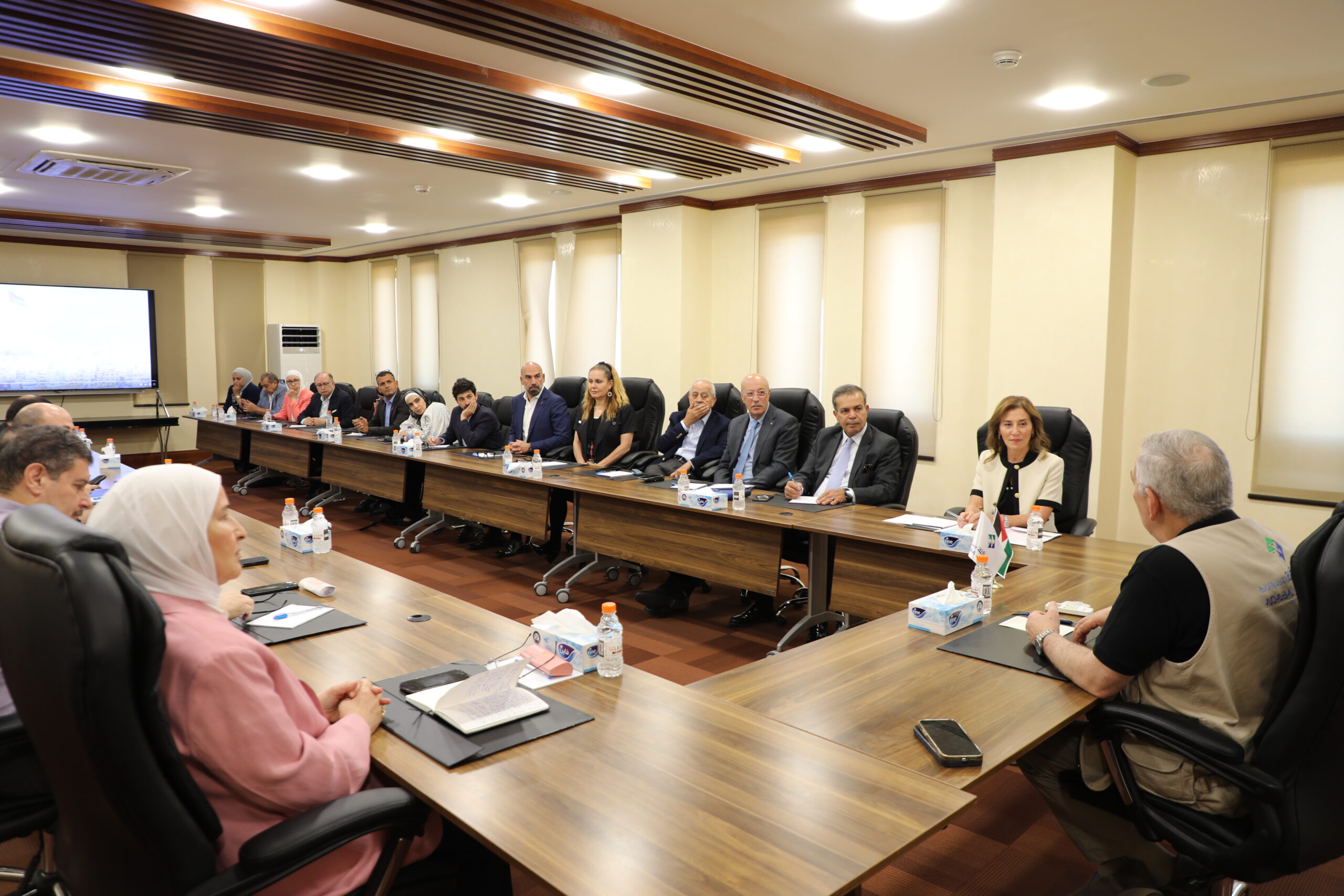
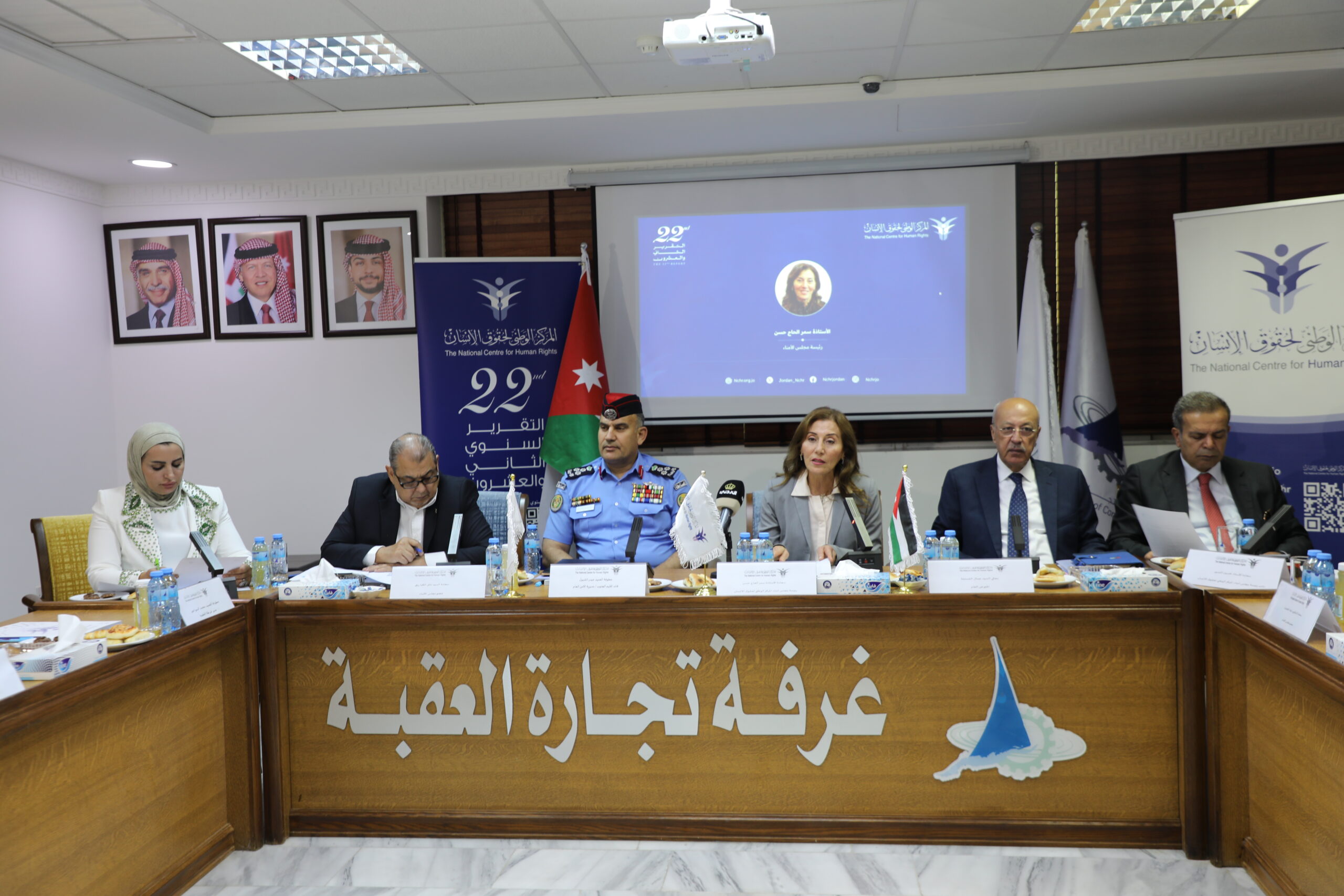
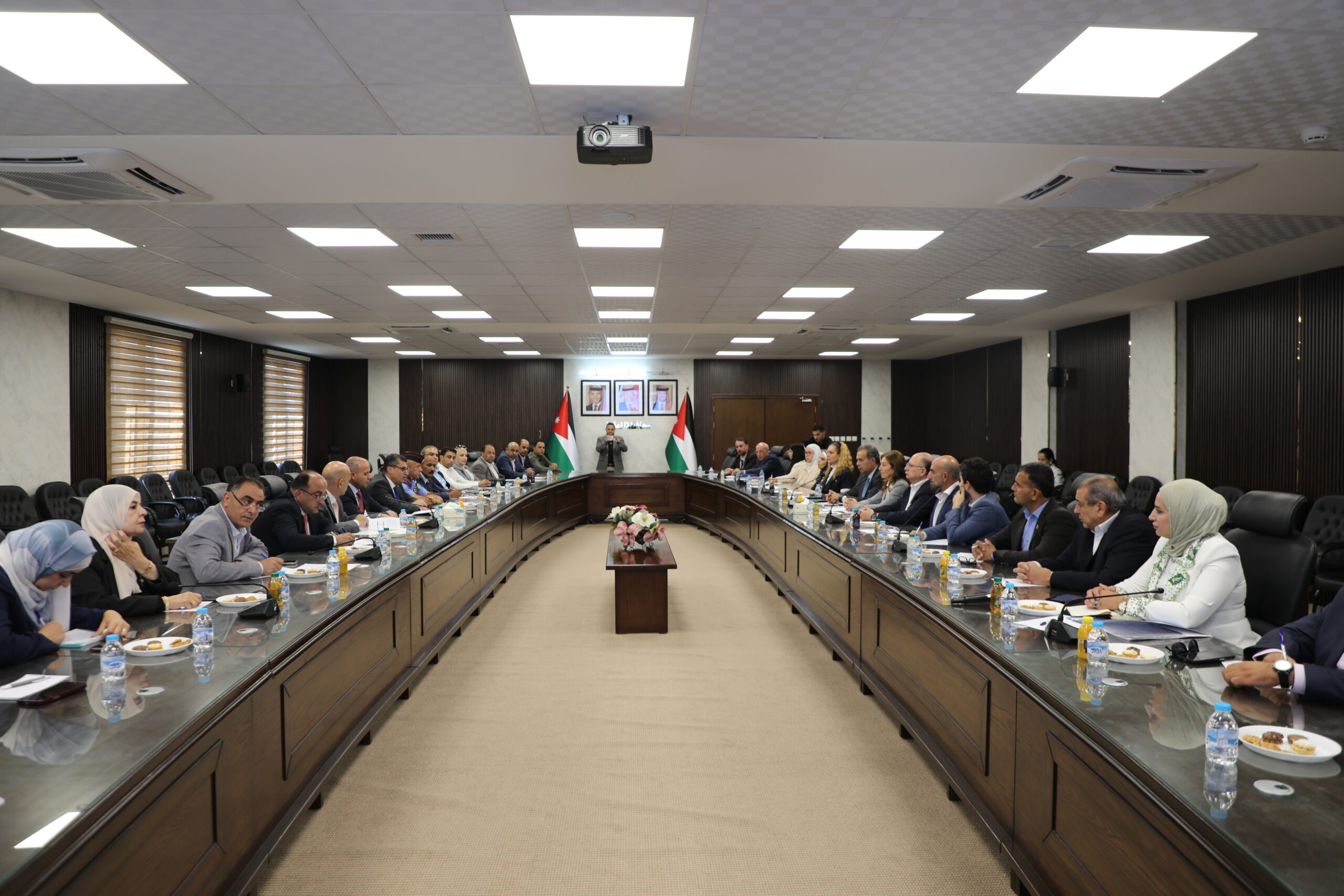
The seminar brought together a broad range of participants, including representatives of government entities, national institutions, civil society organizations, and academic institutions, alongside experts, researchers, specialists, and persons with disabilities, ensuring inclusive representation of diverse groups in discussions on digital violence and comprehensive responses to it.
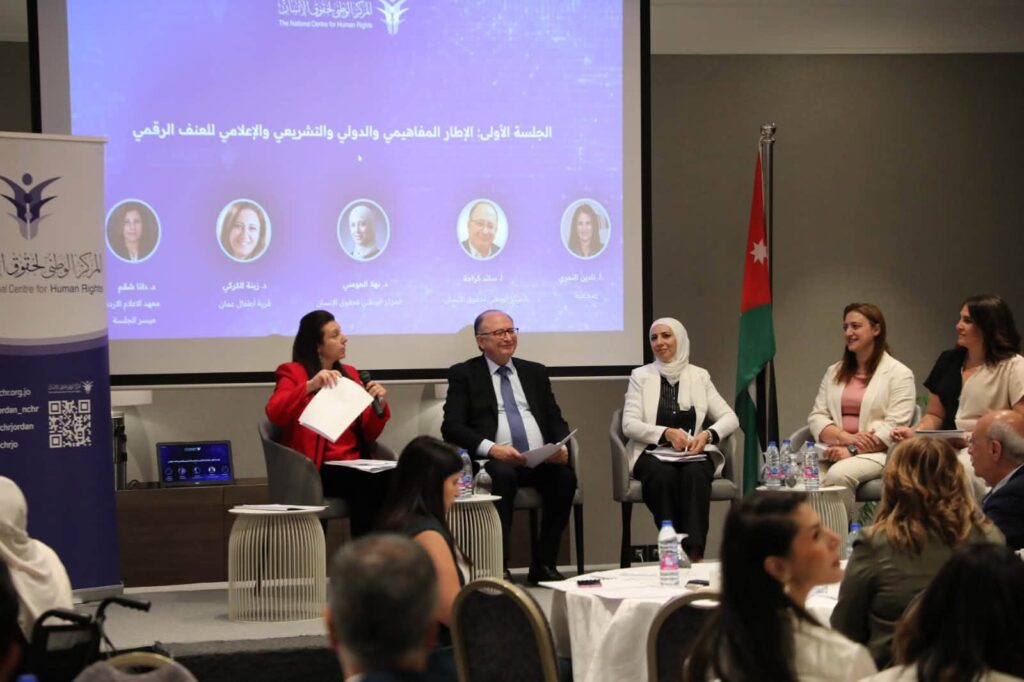
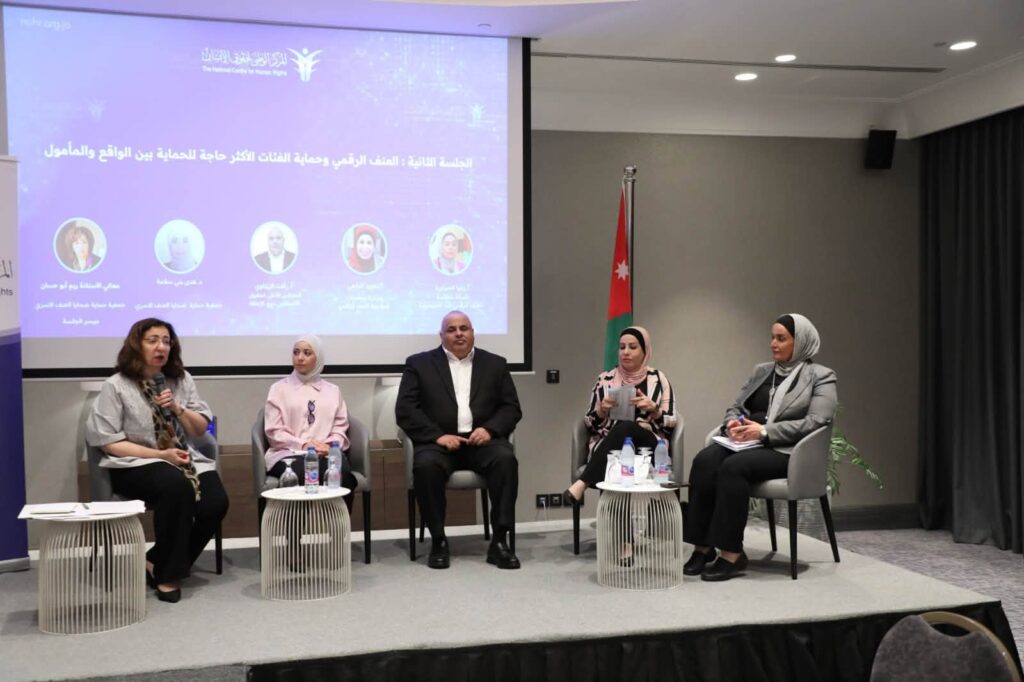
The discussions addressed several key themes, including the conceptual, legislative, and media-related dimensions of digital violence; relevant international and national standards; the impact of digital violence on women, children, persons with disabilities, older persons, and refugees; the psychological and social consequences of digital violence and the available support and protection mechanisms; as well as the role of national institutions and other relevant stakeholders in building a safe digital environment founded on respect for human rights and the principles of justice, equality, and non-discrimination.
As part of the National Centre for Human Rights’ commitment to accessibility and inclusive participation, the seminar provided the necessary reasonable accommodations to facilitate the participation of persons with disabilities, including sign language interpretation and Braille materials. These measures enhanced accessibility and meaningful participation throughout the seminar and in its outcomes, reaffirming the Centre’s commitment to ensuring the equal participation of all groups and reflecting its commitments under the framework of the Third Global Disability Summit.