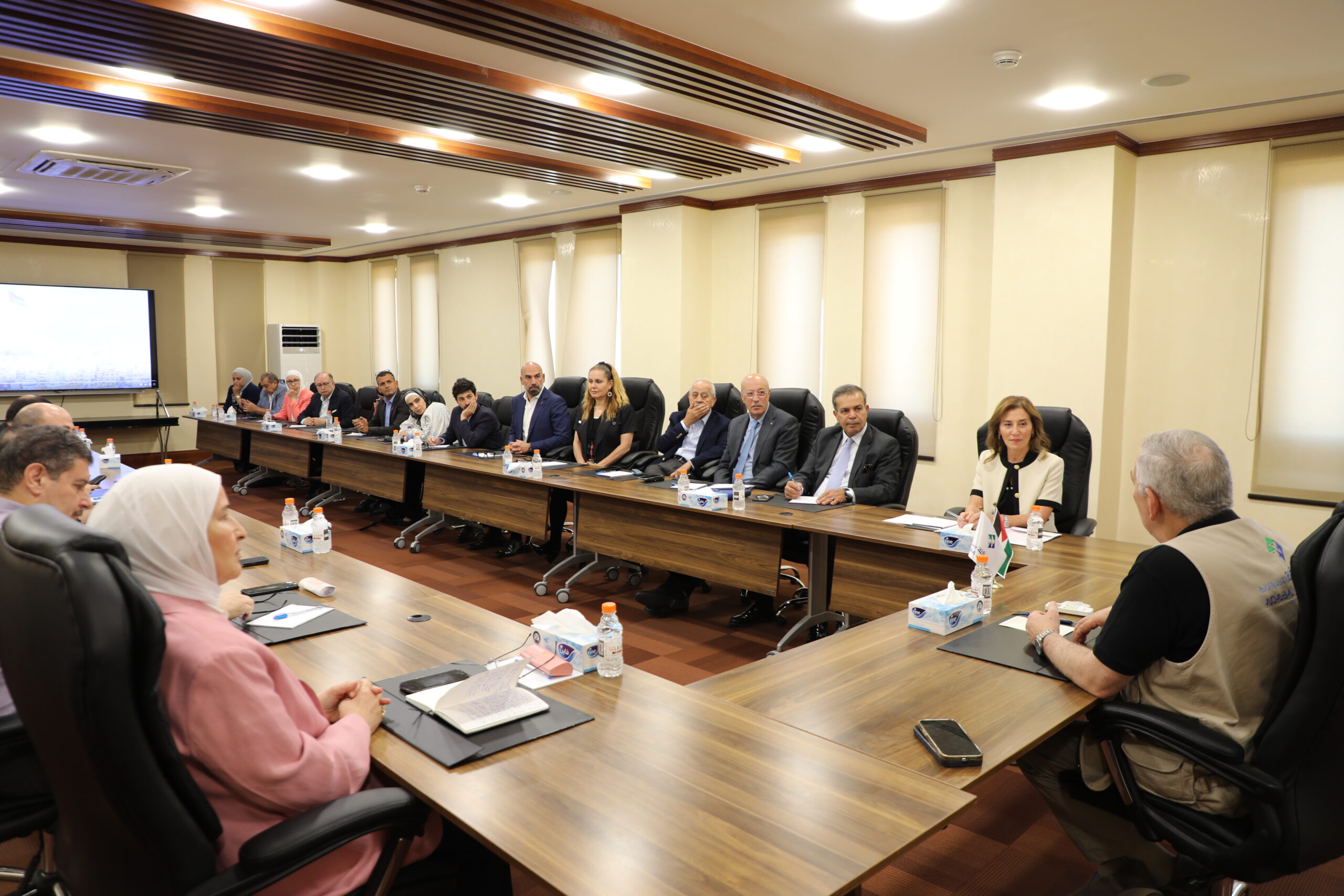
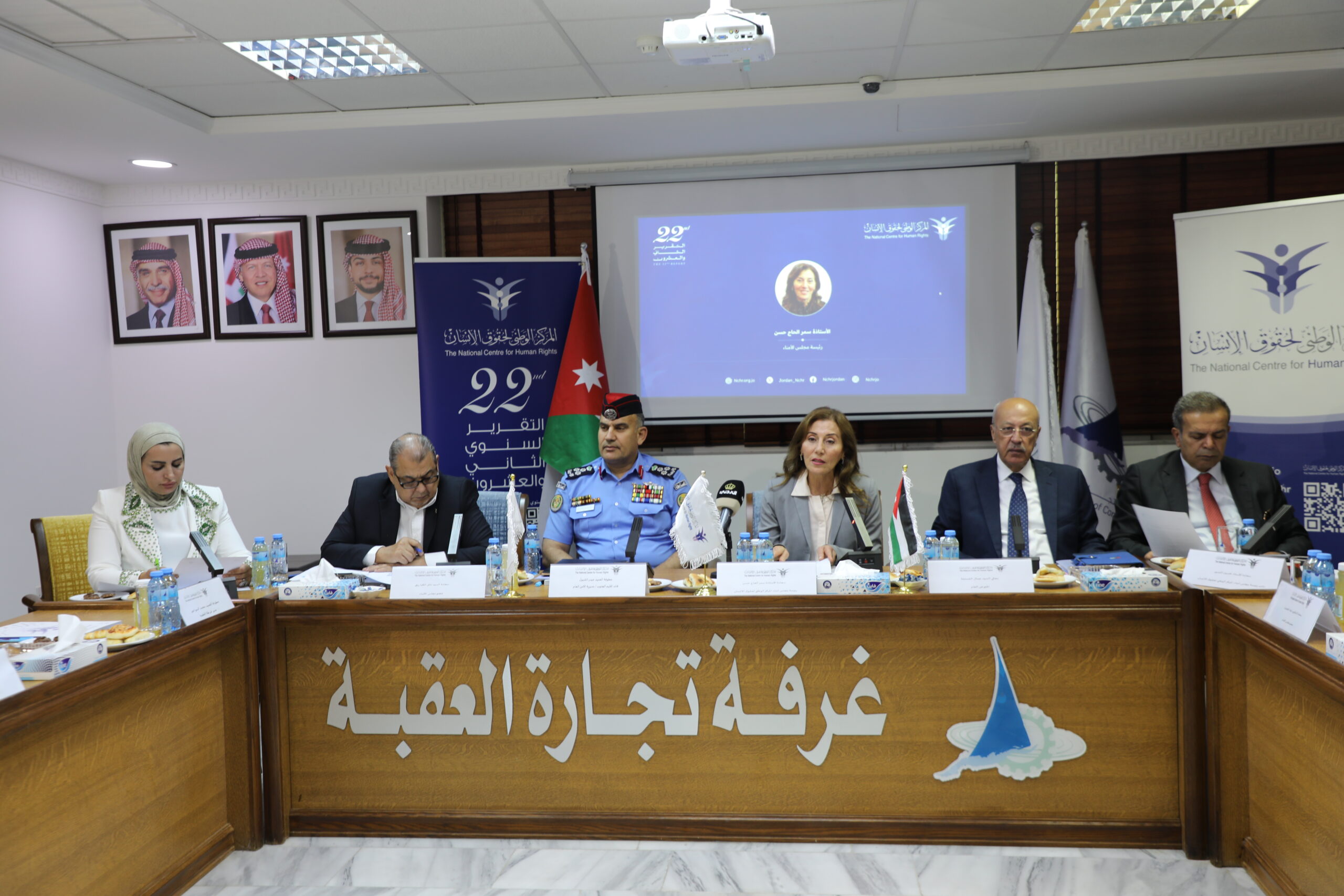
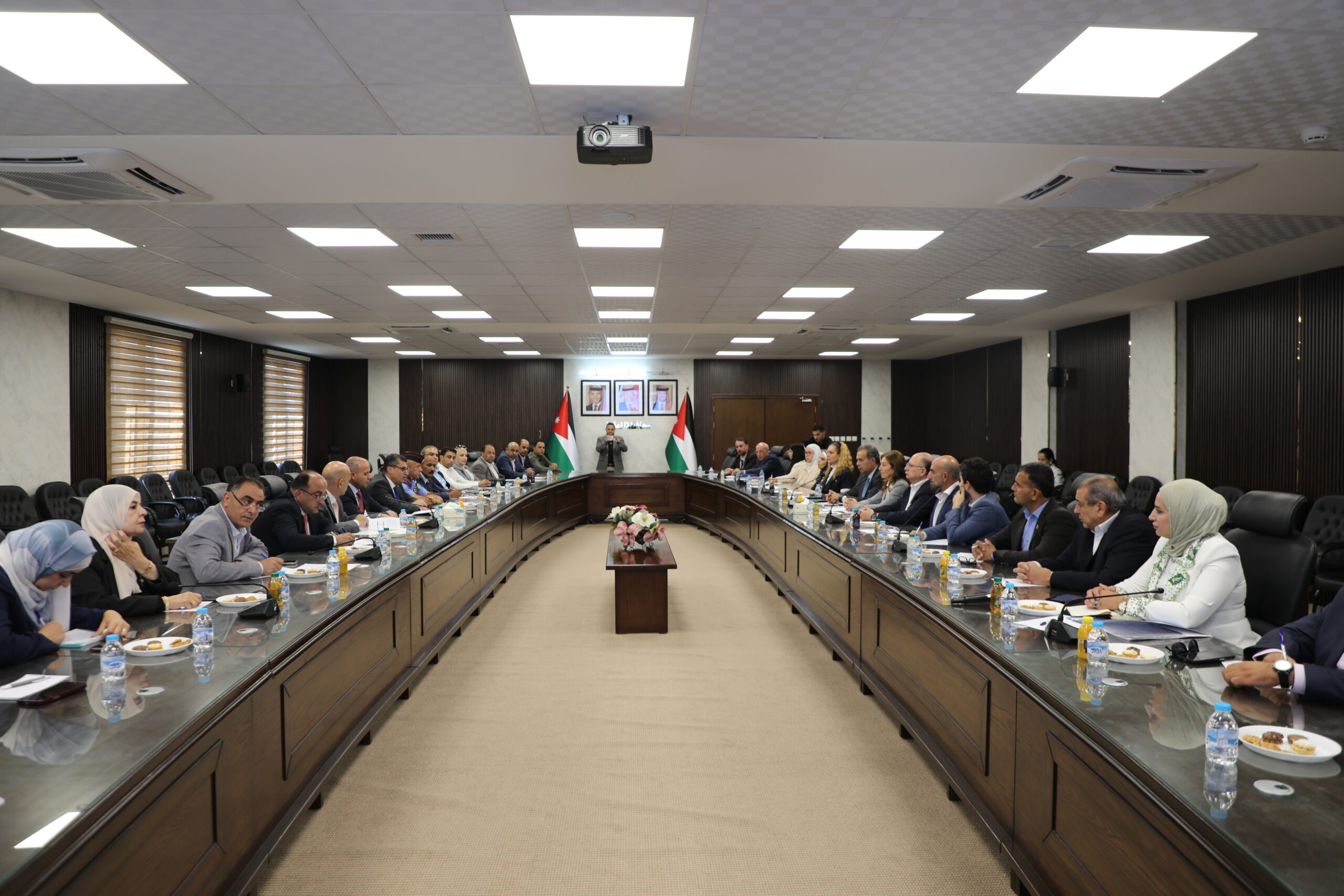
As part of its ongoing efforts to enhance youth awareness of political participation, the National Center for Human Rights organized a dialogue session at Ma’an University College / Al-Balqa Applied University entitled: “Students and Political Party Life in Jordan: Towards Effective Youth Participation,” on Thursday, April 2, 2026.
The event was held in the presence of the Dean of the College, with the participation of a number of academic and administrative staff members, as well as more than 50 male and female students.
The session commenced with opening remarks delivered by Professor Dr. Sattam Al-Khatib, Dean of the College, who welcomed the attendees and emphasized the pivotal role of universities in shaping students’ awareness and enhancing their positive engagement in public affairs.
The session included a series of specialized topics. Ms. Nisreen Zureikat, Commissioner for Enhancement at the Center, delivered a presentation addressing the key transformations in Jordan’s political system, reviewing the outcomes of the Royal Committee for the Modernization of the Political System and the real opportunities it has created for youth to actively participate. She also stressed that the main challenge lies in translating these legislative gains into tangible reality.
For his part, Mr. Rami Ahmad Al-Hashem, Head of the National Legislation Unit, discussed the legal framework governing political party work, explaining that the Political Parties Law No. (7) of 2022 represents an advanced step toward empowering youth politically. He also emphasized the importance of providing a safe and neutral university environment that guarantees freedom of political engagement without any repercussions, thereby enhancing trust in the political system.
Mr. Omar Bani Mustafa, Head of the Awareness and Training Unit, also reviewed the role undertaken by the National Center for Human Rights within its legal mandate, noting that the Center’s work goes beyond monitoring and documentation to include the promotion of a human rights culture, capacity building, and direct engagement with youth, all of which contribute to strengthening the principles of rights and freedoms within society.
The session witnessed notable interaction from students, who raised a number of challenges related to political party engagement, most notably societal reservations and concerns regarding the impact of political participation on their professional future. This reflects a gap between the legislative framework and practical implementation.
The event concluded with an exchange of commemorative shields between the Center and the University, reaffirming the importance of strengthening institutional partnerships and supporting initiatives aimed at empowering youth and enhancing their participation in public life, within the activities of the Legislation Directorate under the Enhancement Commissioner.