The National Centre for Human Rights Holds a Dialogue Session for the Partnerships Working Group on Mechanisms for Implementing the Center’s Recommendations Related to the Most Vulnerable Groups
Amman, December 3, 2024
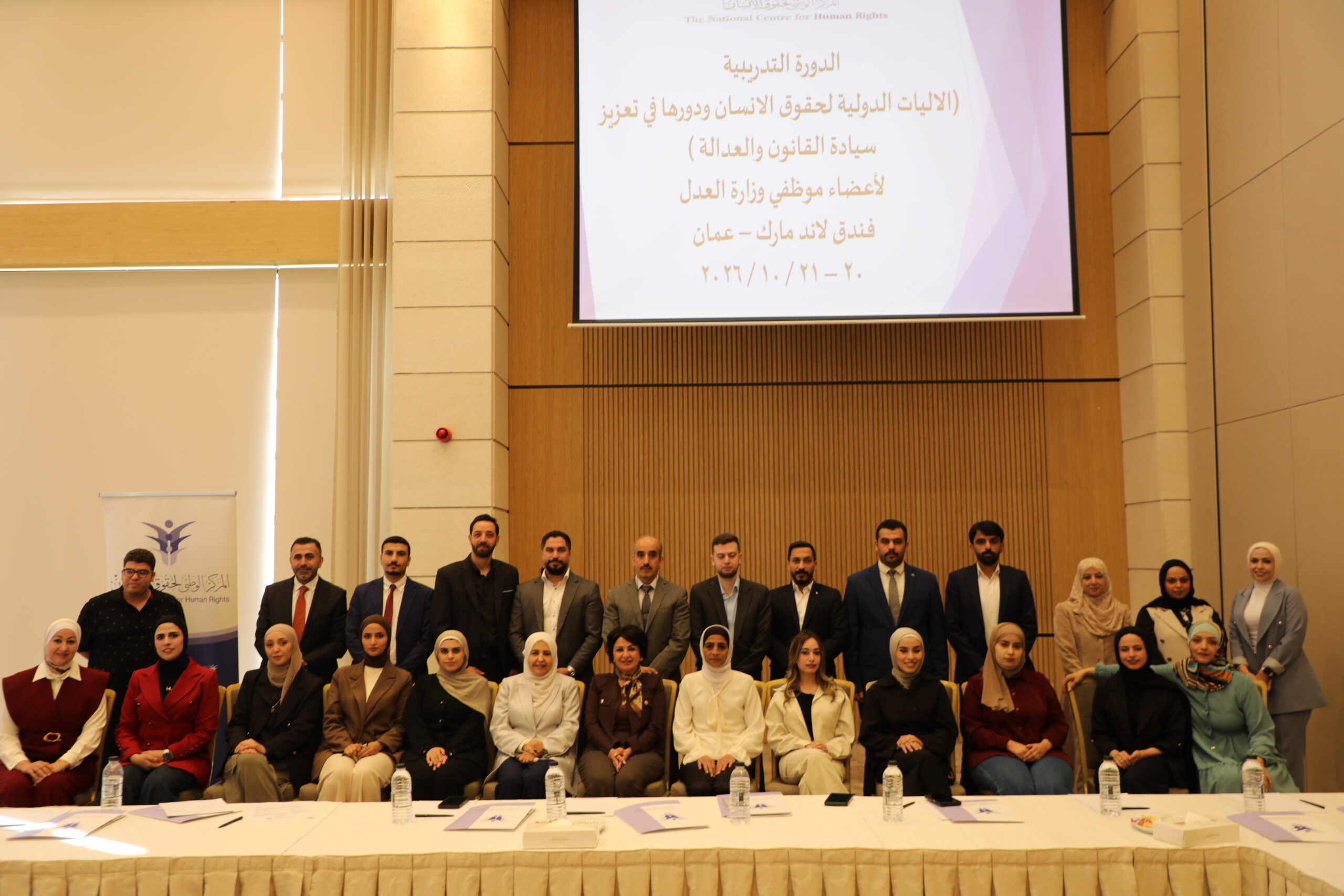
The National Center for Human Rights (NCHR) held a dialogue session today for the Partnerships Working Group to enhance human rights in Jordan. The session focused on recommendations concerning the most vulnerable groups. The meeting brought together representatives from the public sector, civil society organizations, and international partners. It was organized in conjunction with the 16 Days of Activism Against Gender-Based Violence campaign, aiming to support cooperation in protecting and promoting human rights in Jordan. The session specifically addressed mechanisms to follow up on the implementation of the center’s recommendations, particularly those concerning women, children, persons with disabilities, and the elderly.
The session was chaired by Dr. Reem Abu Dalbouh, Head of the Most Vulnerable Groups Committee at the NCHR Board of Trustees. Dr. Abu Dalbouh expressed the center’s appreciation for national efforts to enhance human rights, highlighting that these efforts reflect the political will to build a democratic state that respects human rights and upholds the rule of law. She elaborated on the center’s role in providing recommendations to partners and integrating them into priority work areas, emphasizing the ongoing partnership approach across all sectors. She noted that this meeting would be followed by subsequent sessions to ensure the optimal follow-up mechanism is achieved.
In his opening remarks, Commissioner-General Jamal Al-Shamayleh thanked the attendees and underscored the importance of this meeting in fostering collaboration among various entities to ensure the implementation of the NCHR’s recommendations. He emphasized the need to prioritize the most vulnerable groups.
Dr. Nahla Al-Momani, Commissioner for Protection, highlighted that the NCHR’s recommendations are based on a work methodology and monitoring mechanism aligned with international human rights standards and the Jordanian Constitution. She explained that these efforts include conducting unannounced visits to institutions related to the most vulnerable groups and specialized monitoring of specific categories, such as female inmates in correctional and rehabilitation centers, factory workers, agricultural workers, and monitoring the right to health and education for these groups. The center also assesses accessibility arrangements for persons with disabilities. These efforts contribute to producing comprehensive, specific, and actionable recommendations that reflect a holistic understanding of the broader context. Dr. Al-Momani stressed the participatory approach to identifying the best methods and mechanisms for implementing the center’s recommendations, noting that all submitted proposals would be thoroughly reviewed and considered.
Dr. Khalil Al-Abdallat, Director of the Human Rights Department at the Prime Ministry, highlighted the importance of collaboration between various stakeholders under the NCHR’s umbrella to implement its recommendations, which intersect with the Universal Periodic Review (UPR) recommendations. He affirmed the government’s commitment to following up on the NCHR’s recommendations within a participatory framework and setting the necessary priorities accordingly.
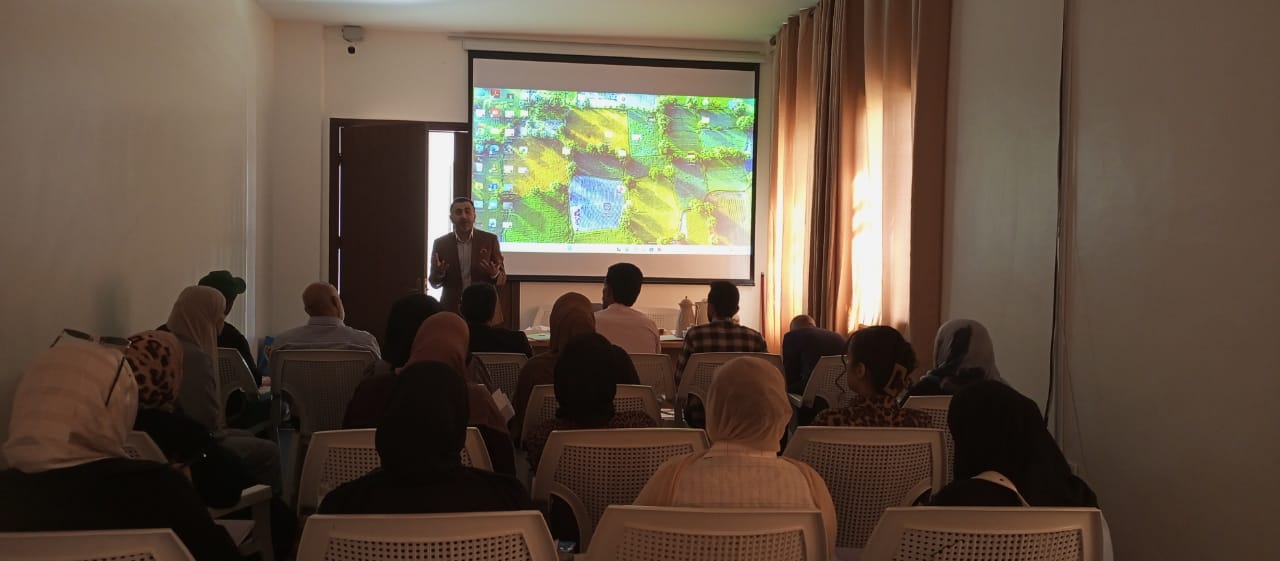
The session included a presentation by Ms. Bothaina Freihat, who outlined key recommendations issued by the center concerning the most vulnerable groups. This was followed by a general discussion during which participants shared additional recommendations and proposed future work mechanisms.
In conclusion, the session was recognized as a significant step toward strengthening the partnership between the government, civil society organizations, and other stakeholders, with the goal of ensuring enhanced protection and promotion of the rights of the most vulnerable groups.