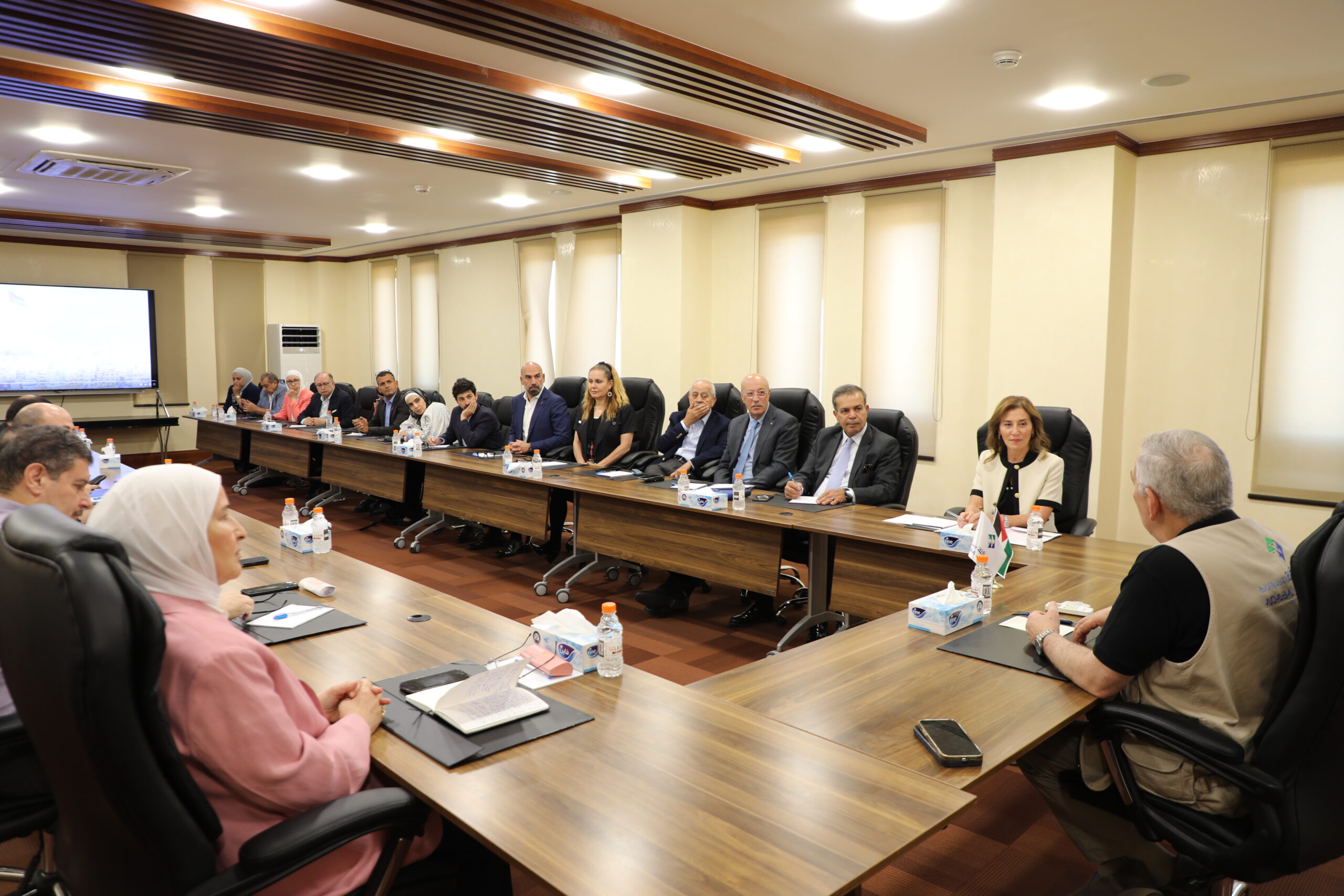
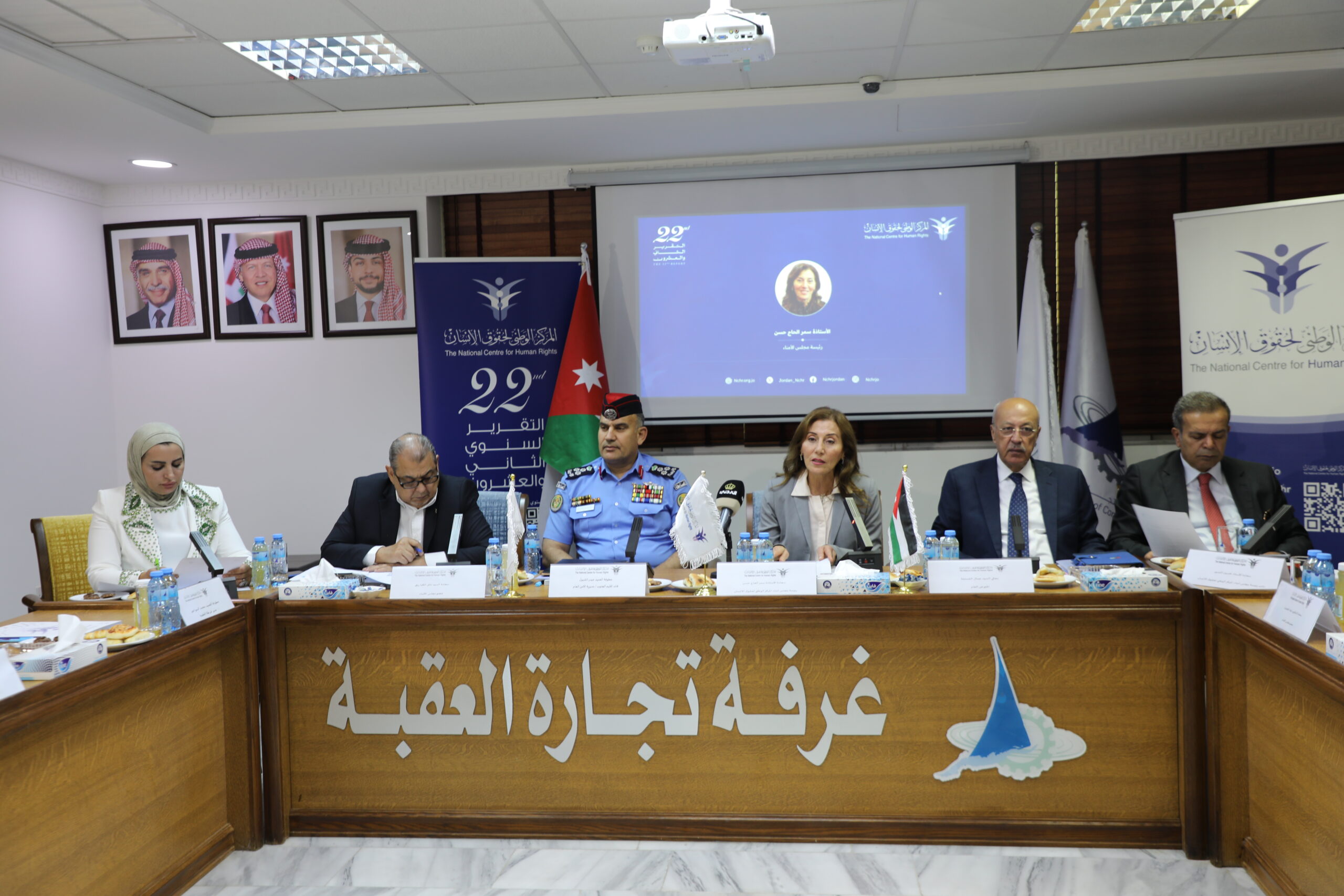
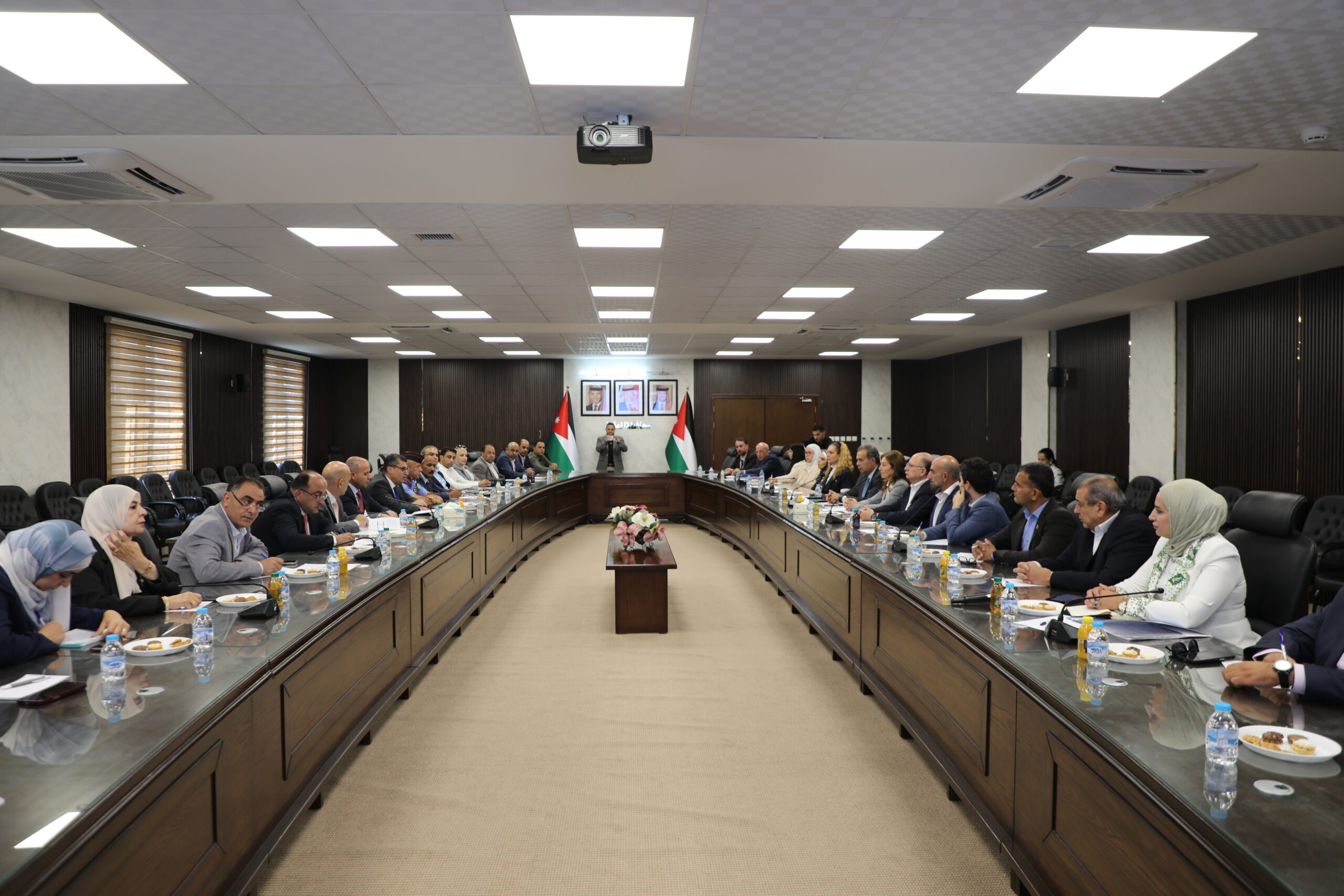
The National Centre for Human Rights (NCHR), in cooperation with the Jordanian Ministry of Youth, conducted a training workshop on Thursday, 12 March 2026, at the Zarqa Model Youth Center on United Nations Security Council Resolution 2250. The workshop was held within the framework of the Centre’s legal mandate and its ongoing efforts to promote a culture of human rights and enhance youth participation in public life, through the implementation of 24 training sessions in youth centers across the Kingdom.
The session was opened by Ms. Haifa Al-Daghmi, Head of the Youth Centers, Programs and Activities Department at the Ministry of Youth, who welcomed the participants and provided an introductory briefing on UN Security Council Resolution 2250 and its importance in strengthening the role of youth in peacebuilding and participation in public affairs.
This training comes in line with the Royal directives emphasized by His Majesty King Abdullah II ibn Al Hussein in the Speech from the Throne in Jordan, as well as the Royal Discussion Papers highlighting the importance of empowering youth and expanding their participation in political reform and sustainable development processes. It also aligns with the vision championed by His Royal Highness Crown Prince Al Hussein bin Abdullah II in supporting youth potential and enhancing their leadership role in society.
During the workshop, lawyer Rami Ahmad Al-Hashem, Head of the International Instruments and National Legislation Unit at the National Centre for Human Rights, delivered a presentation on the key pillars of UN Resolution 2250, particularly the concepts of participation, protection, prevention, and partnerships. He emphasized the role of youth as active partners in peacebuilding and in promoting stability, based on the principles of human rights and the rule of law.
Lawyer Omar Bani Mustafa, Head of the Awareness and Training Unit, also delivered an intervention addressing the role of the National Centre for Human Rights in protecting and promoting human rights through monitoring the human rights situation, following up on the compatibility of national legislation with international standards, and implementing awareness and capacity-building programs across the Kingdom.
At the conclusion of the workshop, certificates of participation were distributed to the participants as part of the activities of the Centre’s Promotion Commissionerate.